


.jpeg)
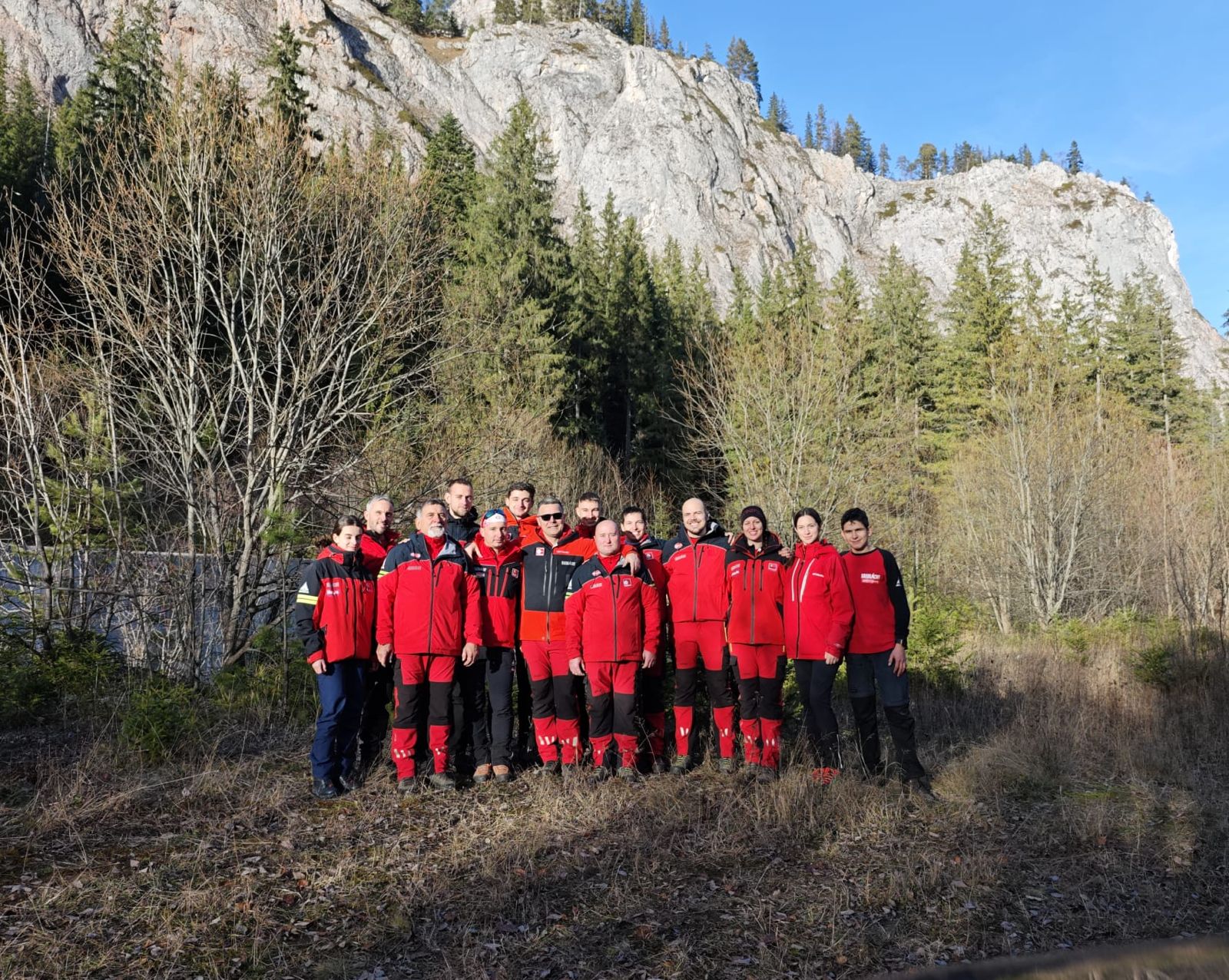
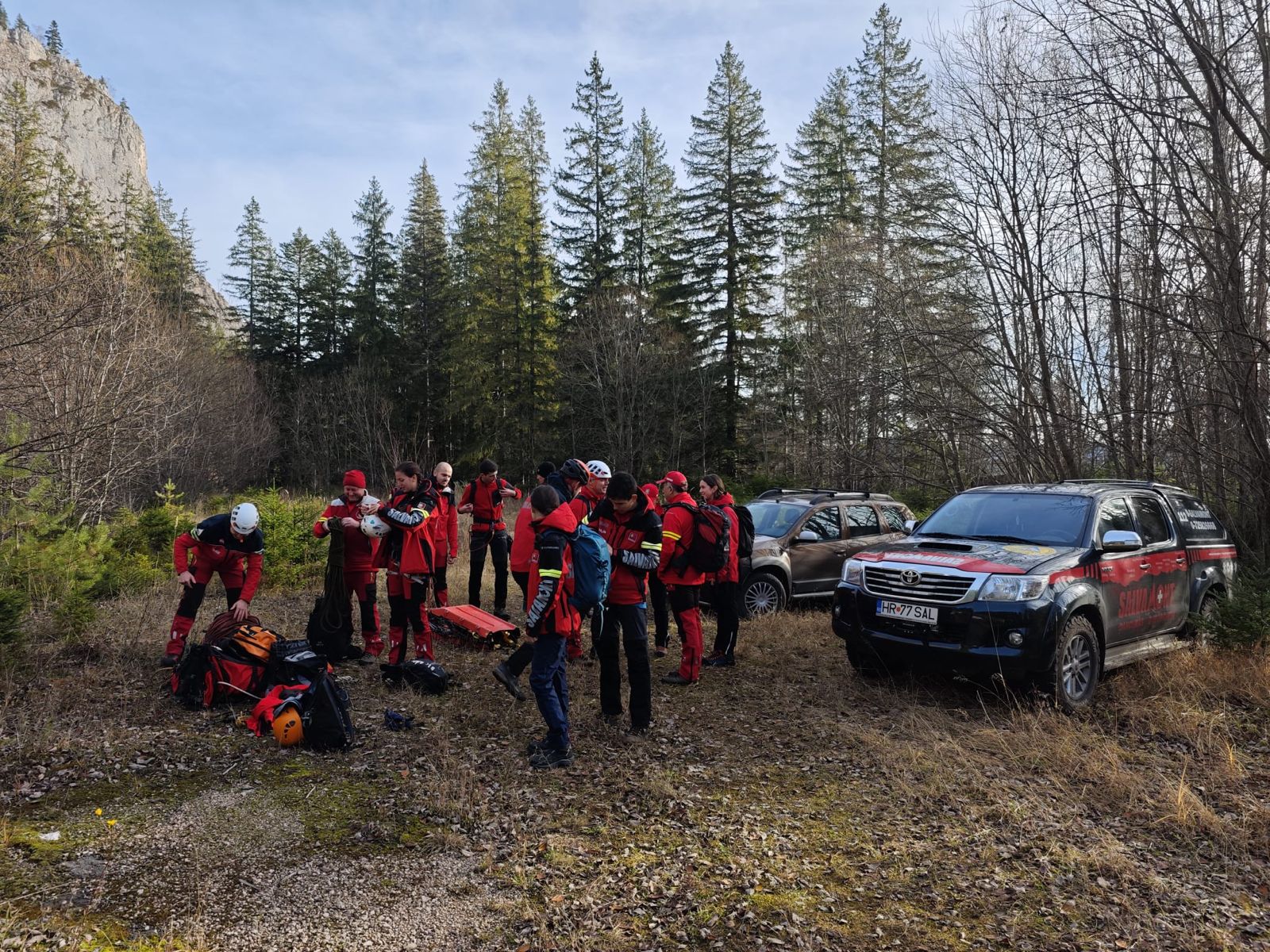
Life-saving informations
Hiking Trails

.svg)

Romanian hiking trail markings consist of colored geometric shapes (red, blue, or yellow) on a white background, each with a specific meaning. This system is used consistently across all mountainous regions of the country and helps hikers follow routes and navigate safely.
Route types indicated by shapes
Vertical stripe (line)
Marks main ridge routes, usually more difficult, high-altitude sections along mountain ridgelines. These are most commonly painted with a red stripe and represent some of the country’s primary hiking routes.
Cross (X)
Indicates connecting or branching routes that diverge from a main trail—such as paths leading to parking areas, shelters, or alternative directions.
Circle (dot)
Marks secondary routes, often starting from valleys. These can also include loop trails that return to the starting point, sometimes forming circular hikes.
Triangle
Typically indicates trails leading up to a mountain peak.
Double circle
Marks loop trails that return to the same section in a specific way. This type is easily recognizable by its double-circle symbol, often shown as a white + color combination.
Meaning of colors
In Romania, according to the official standard, white always serves as the base color for trail markings.
Red – The most important, most difficult, or highest routes; ridge-style trails; main routes leading to key hiking destinations. In Romania, the red stripe always indicates the main ridge of the Carpathians.
Blue or yellow – Generally regional or shorter routes, connecting sections, alternative paths, or less frequently used and less challenging trails. The colors are used only for identification, so there is no strict rule that red is only for ridges or blue only for connectors—the key rule is that intersecting routes should not share the same marking.
SOS – Emergency Call
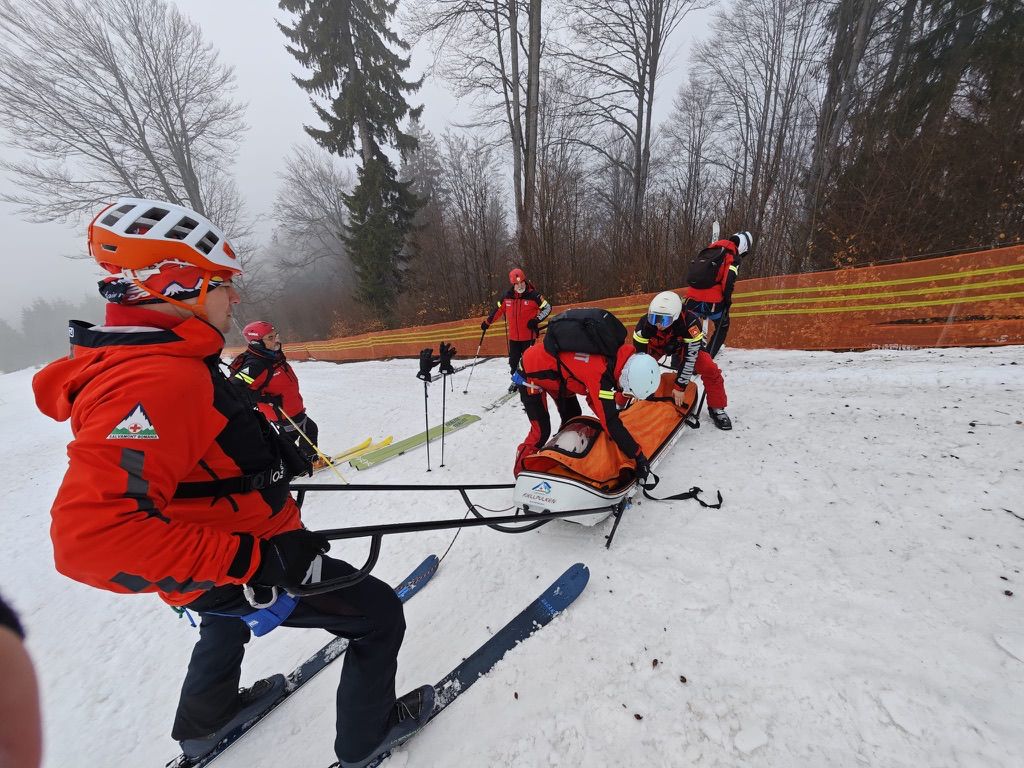
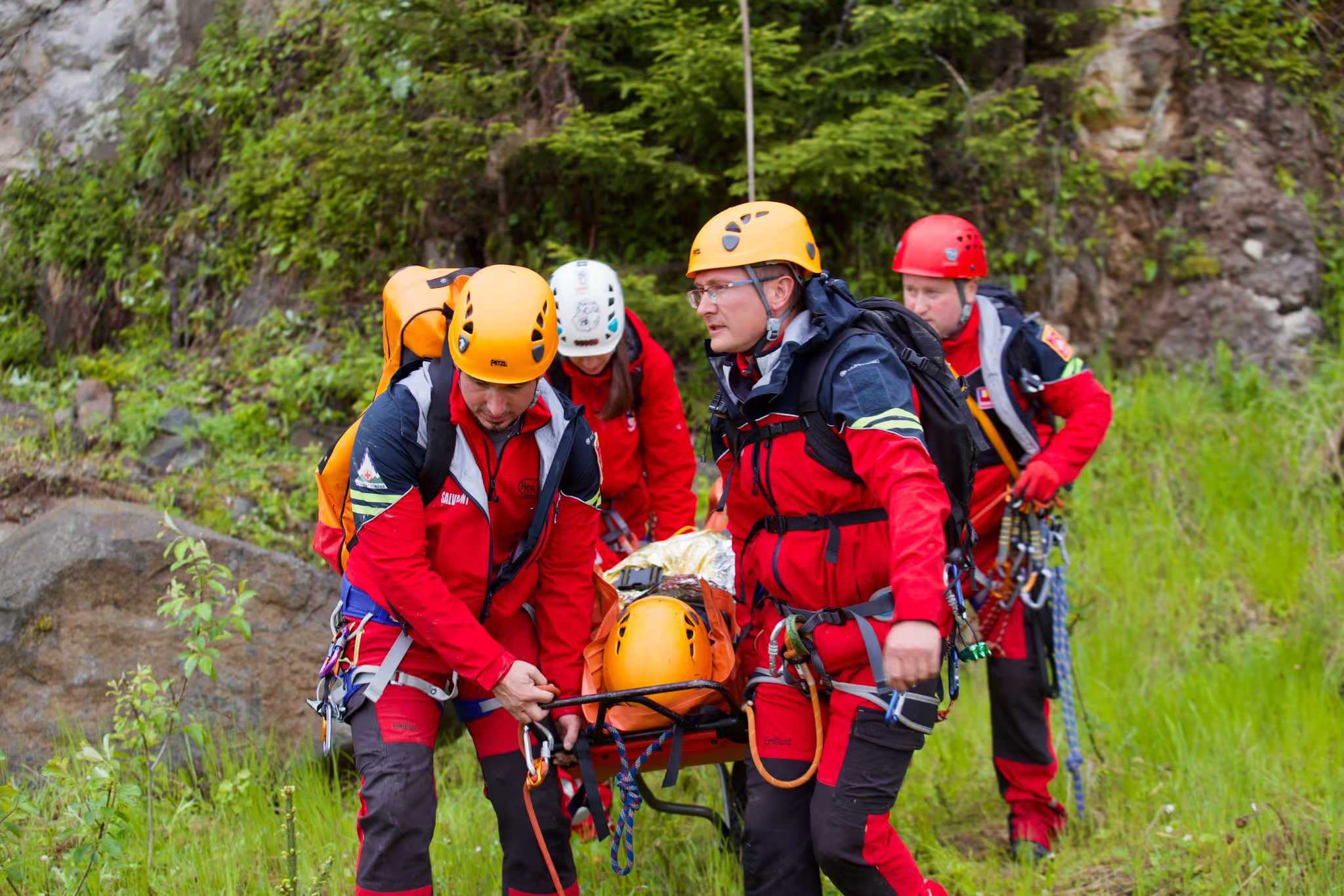
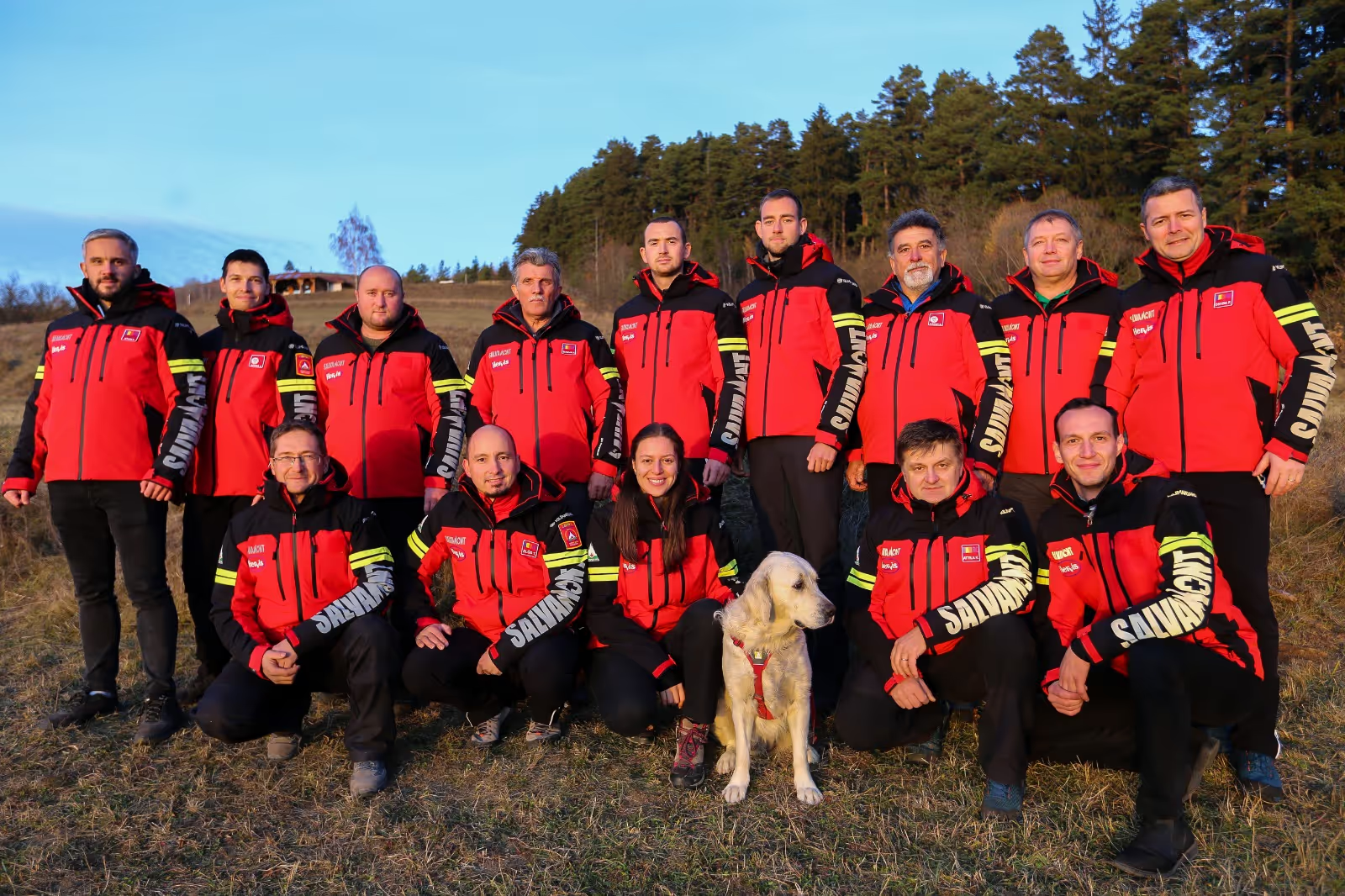
In case of emergency, call one of the following numbers: 112 or 0-SALVAMONT—our mountain rescue service is available 24/7 and responds quickly to those in need.
If we are forced to request help, we must use the internationally recognized signaling system:
- There have been cases where, due to unfamiliarity with these signals, random flashlight movements unintentionally triggered rescue operations. Therefore, be mindful of the signals you give.
- In case of distress, give six (6) optical or acoustic signals per minute—repeated every 10 seconds. This is followed by a 1-minute pause, after which the six signals are repeated.
- The response signal—indicating that the distress call has been seen and correctly understood—consists of three (3) signals per minute, repeated every 20 seconds.
- During the day, signals can be given using a brightly colored piece of clothing, waved above the head at the intervals mentioned above.
- At night, use a flashlight to signal in the same intervals, directing it toward where help is most likely to come from.
- Acoustic signals are best made using a whistle, but if one is not available, shouting can also be used.
- For aerial rescue (plane or helicopter), stand still and raise both arms above your head in a “V” shape. If only one arm is raised, it indicates that everything is fine and no help is needed.
There have been cases where, due to unfamiliarity with these signals, random flashlight movements unintentionally triggered rescue operations. Therefore, be mindful of the signals you give.
Weather
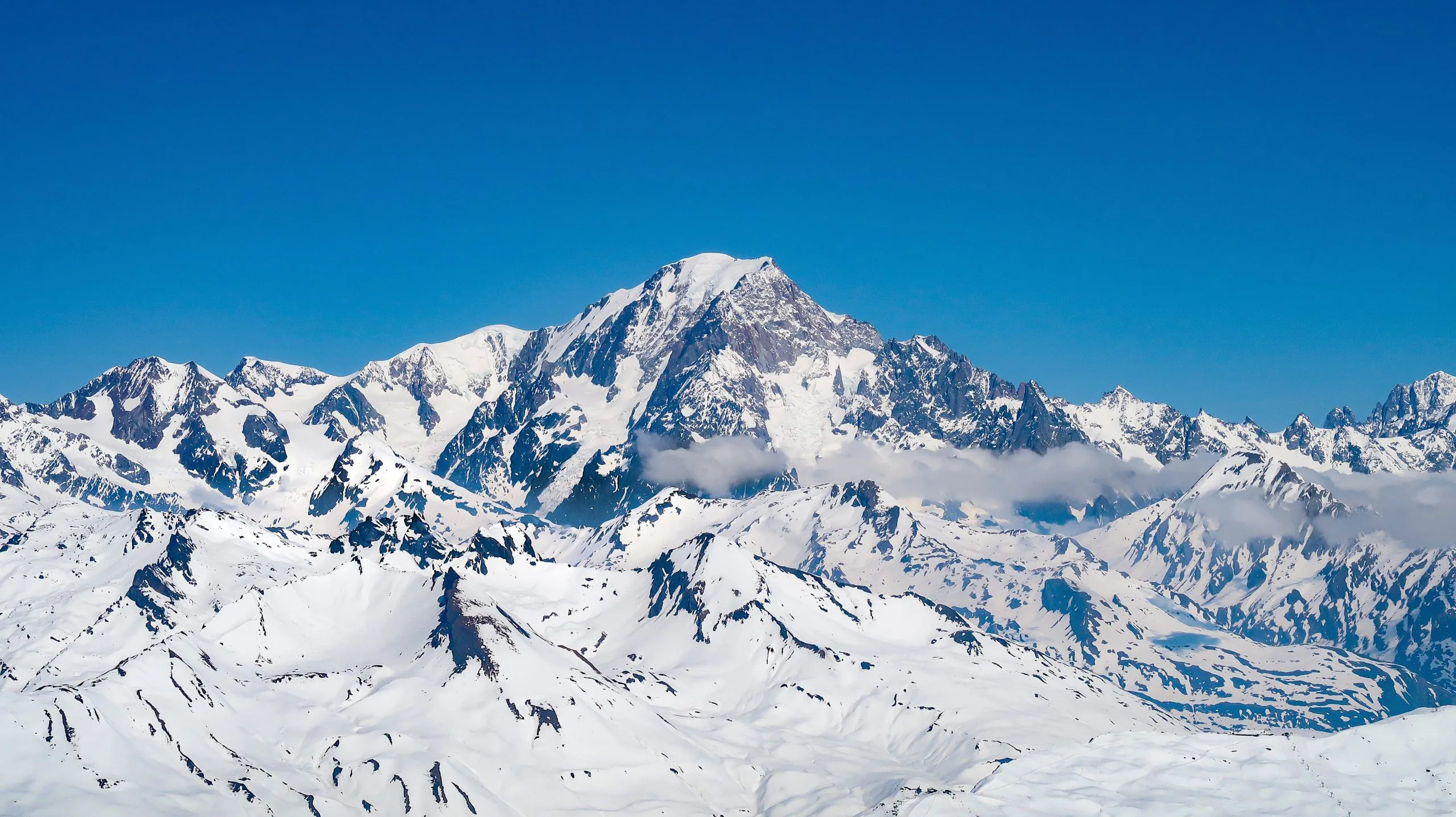
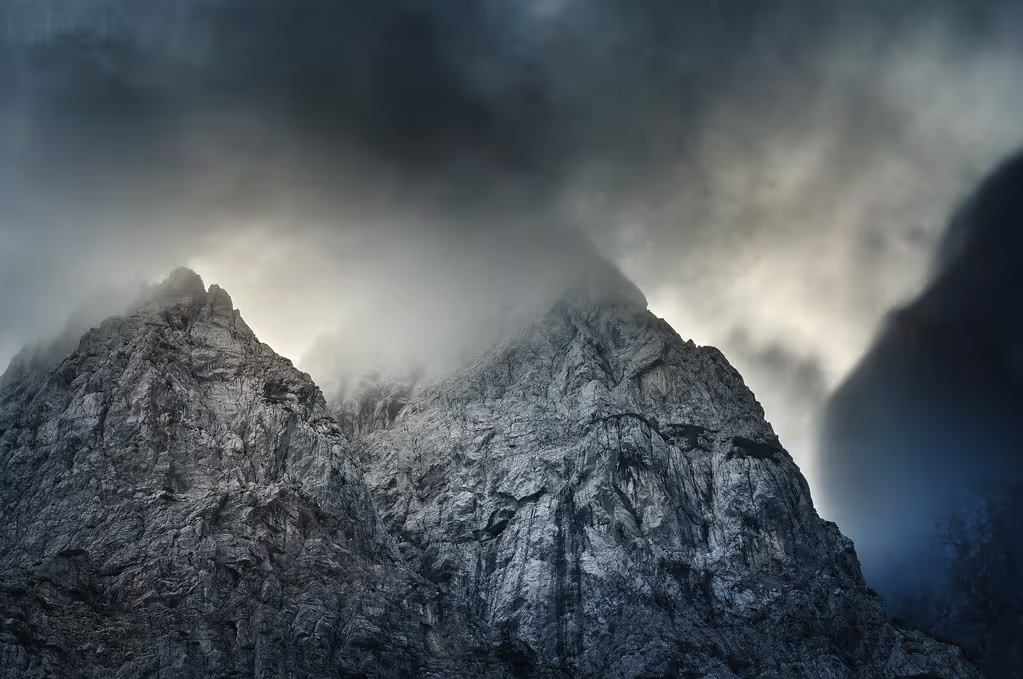
Unexpected rain, strong winds, or dense fog can make a hike not only uncomfortable but also dangerous. Poor weather can significantly reduce visibility, make trails slippery, and make navigation more difficult. In the case of a cold front, sudden cooling can also pose serious risks, especially at higher elevations.
It is therefore important for hikers to plan flexibly and postpone their trip in case of bad weather. It is also recommended to carry emergency gear such as a raincoat, warm clothing, and a headlamp. Responsible preparation not only ensures your own safety but also makes the job of mountain rescue teams easier in case of an emergency.
Lightning
It is important to know that even distant thunder is a warning sign that a storm is approaching and requires immediate action: the hike should be interrupted, and you should move to a safer, lower-lying area. Avoid high ground, isolated trees, rocks, metal objects, lookout towers, and ridgelines. Metal hiking poles, tent poles, or even a bicycle can increase the danger during a lightning storm.
If no shelter is available, take cover in a valley, crouch down with your shoulders pulled in, and wait out the storm (do not lie flat on the ground). Never seek shelter at cave entrances, in stream beds, or under overhanging rock ledges.
Lightning-related accidents can often be prevented by checking forecasts, starting early, and not underestimating the unpredictability of mountain weather. Prevention can save lives.
The Ten Commandments of Mountain Tourism
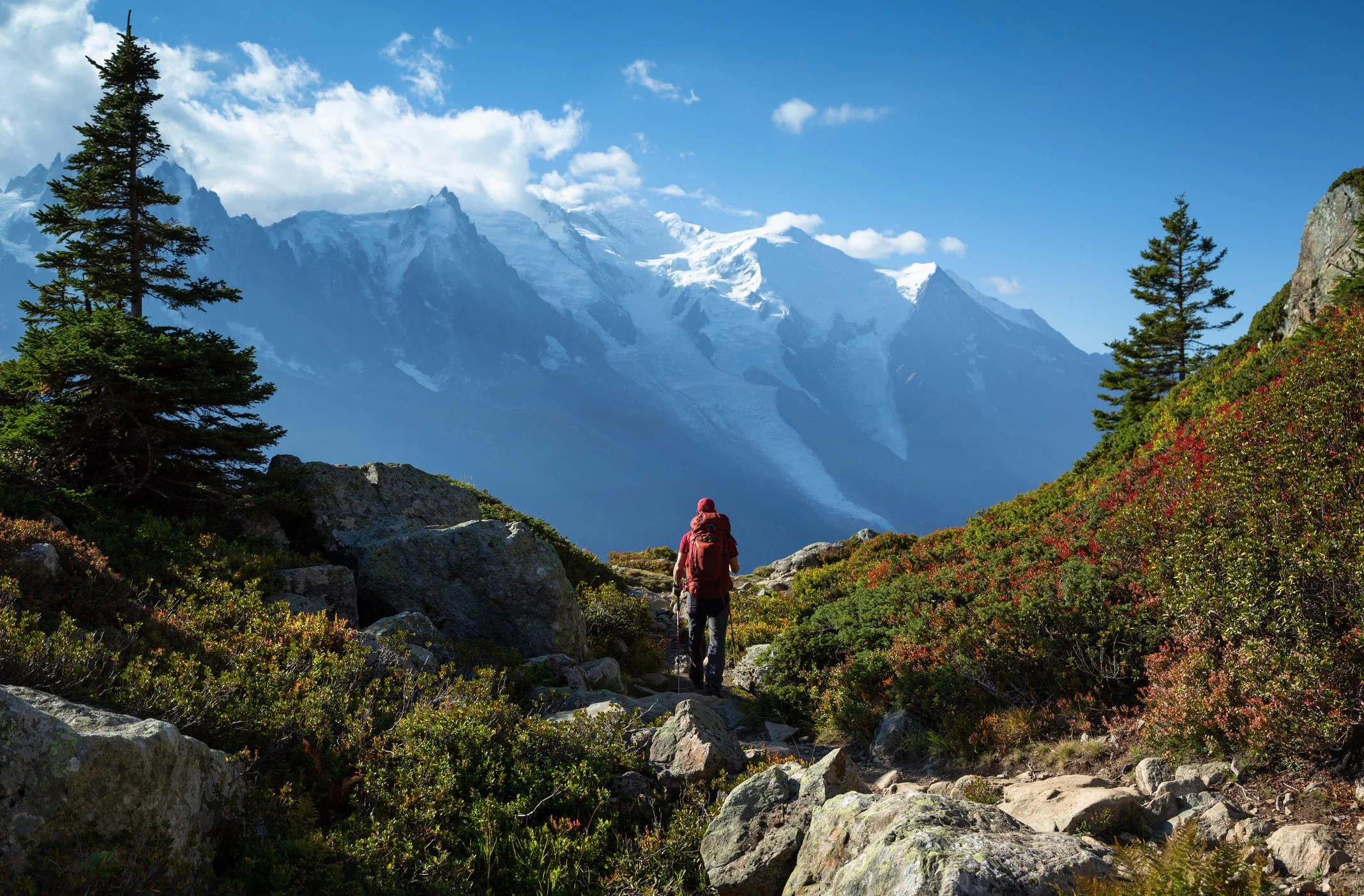
- Prepare thoroughly for your hike or excursion!
- Plan your trip according to your fitness level, experience, and the abilities of your companions!
- In nature, walk with open eyes and ears, and with a heart receptive to its beauty!
- Follow and ensure others follow hiking rules (fire-making, waste disposal, sanitation, camping, protected areas, guiding, etc.)!
- Dress comfortably and modestly, behave quietly, respectfully, and with discipline—as a guest!
- Use marked trails and avoid restricted areas!
- After your stay in nature, restore the environment to its original condition (campsite, shelter, sanitation, etc.)!
- Love and protect nature, and strive to help others appreciate, understand, and protect it as well!
- Respect your fellow hikers and never abandon them in times of trouble!
- Make good use of the knowledge and experience you gain in nature!
Follow us on Facebook and Instagram
.jpg)
.svg)
.jpg)
.svg)

.jpg)
.jpeg)
.svg)
.svg)


