

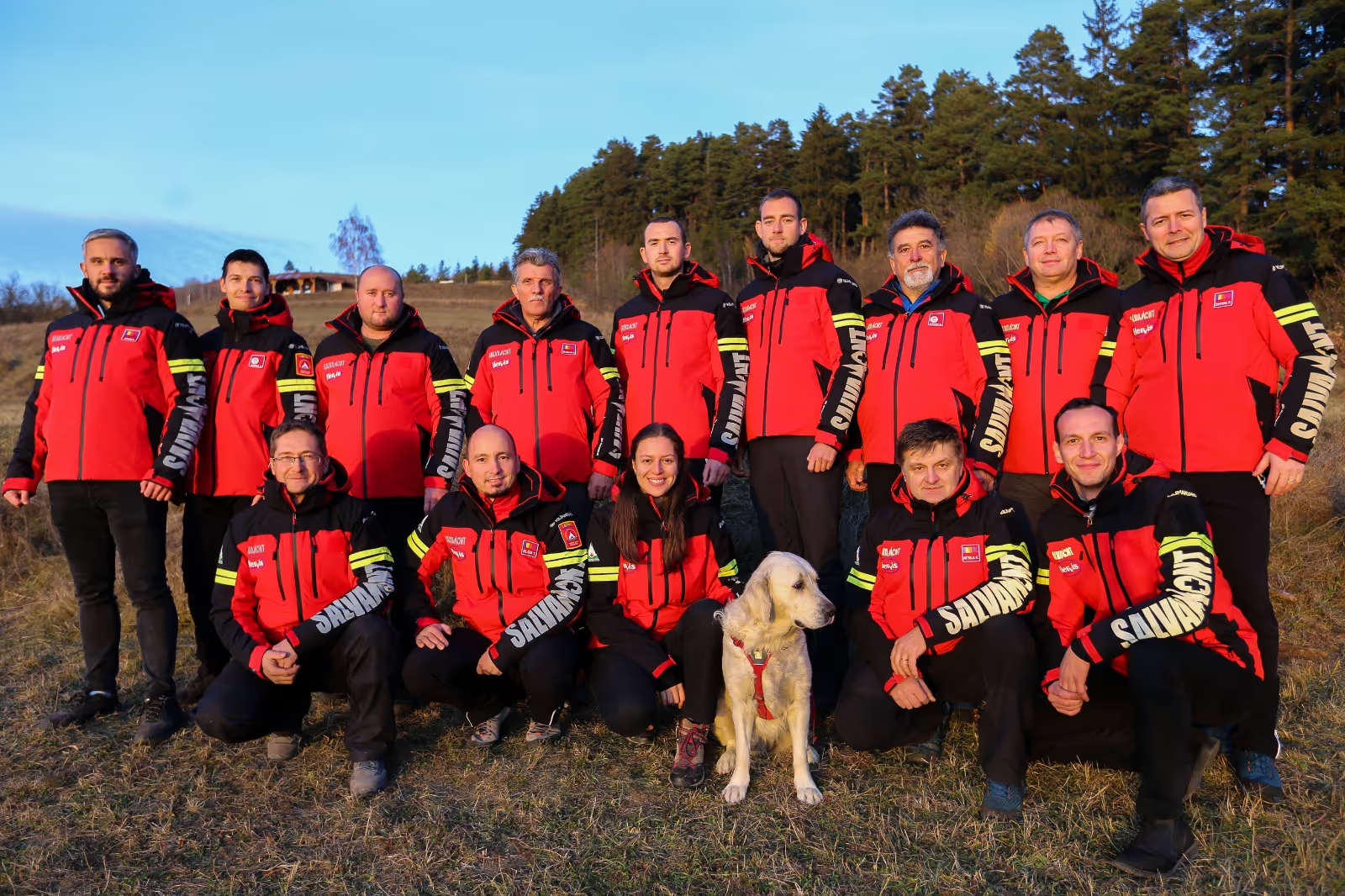
Meet the Dancurás Team
The beginnings
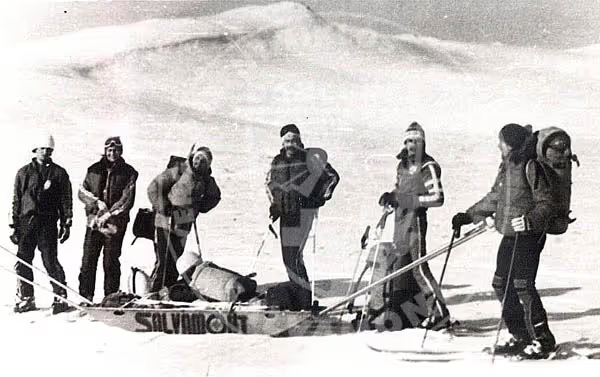
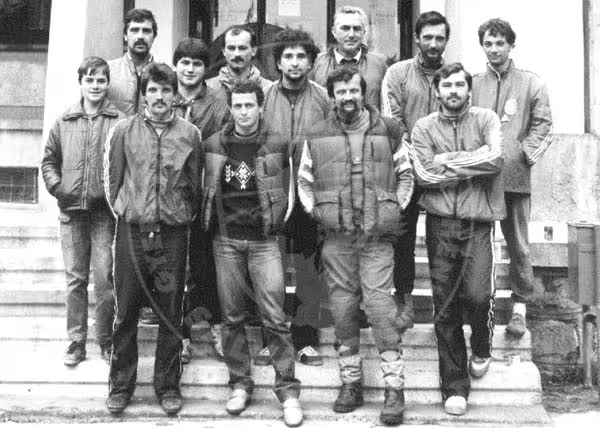
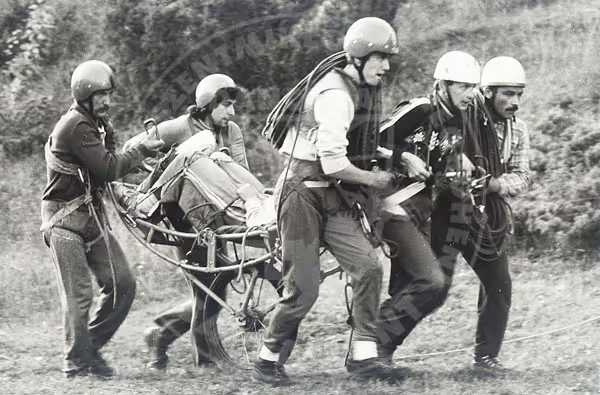
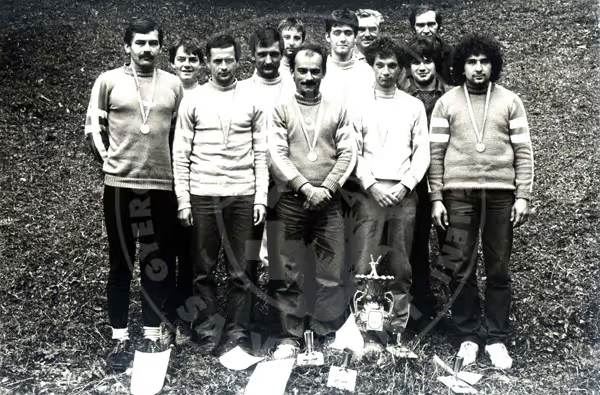
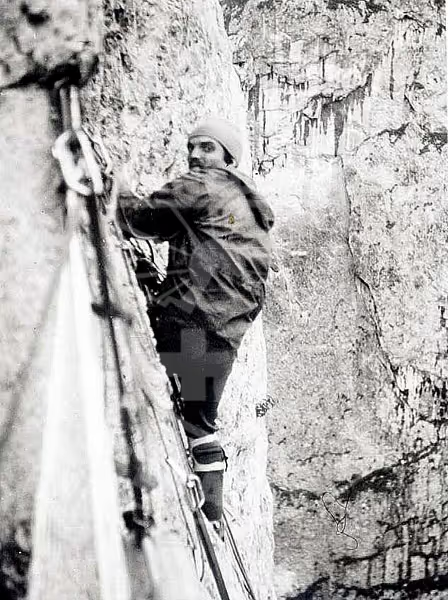
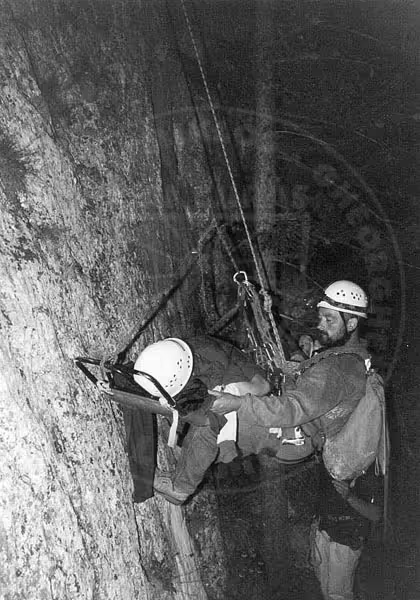
Between 1977 and 1989, the Association benefited from support provided by the county authorities. Alongside strong dedication, this support contributed to achieving outstanding results. There was an annual budget, financial backing for training camps, and the development of young recruits. Several climbing routes and hiking trails were improved during this period.
From 1990 onward, a new era began. Financial support ceased, tourism in the Red Lake area declined, and the resort area started to deteriorate. Logging activities damaged hiking routes, and infrastructure developments negatively impacted climbing areas. Economic interests began to outweigh environmental protection and landscape preservation.Despite these challenges, a few committed members continued voluntarily, at their own expense, maintaining the association, assisting people in distress, and restoring damaged climbing routes and trails.
In 1992, the Association took over a deteriorated medical building at Red Lake, which members restored through voluntary work and support from donors. In 1996, the most significant transformation occurred when the Dancurás Mountain Rescue Association was re-established as an independent non-profit organization, regaining support from local and county authorities.
2000s
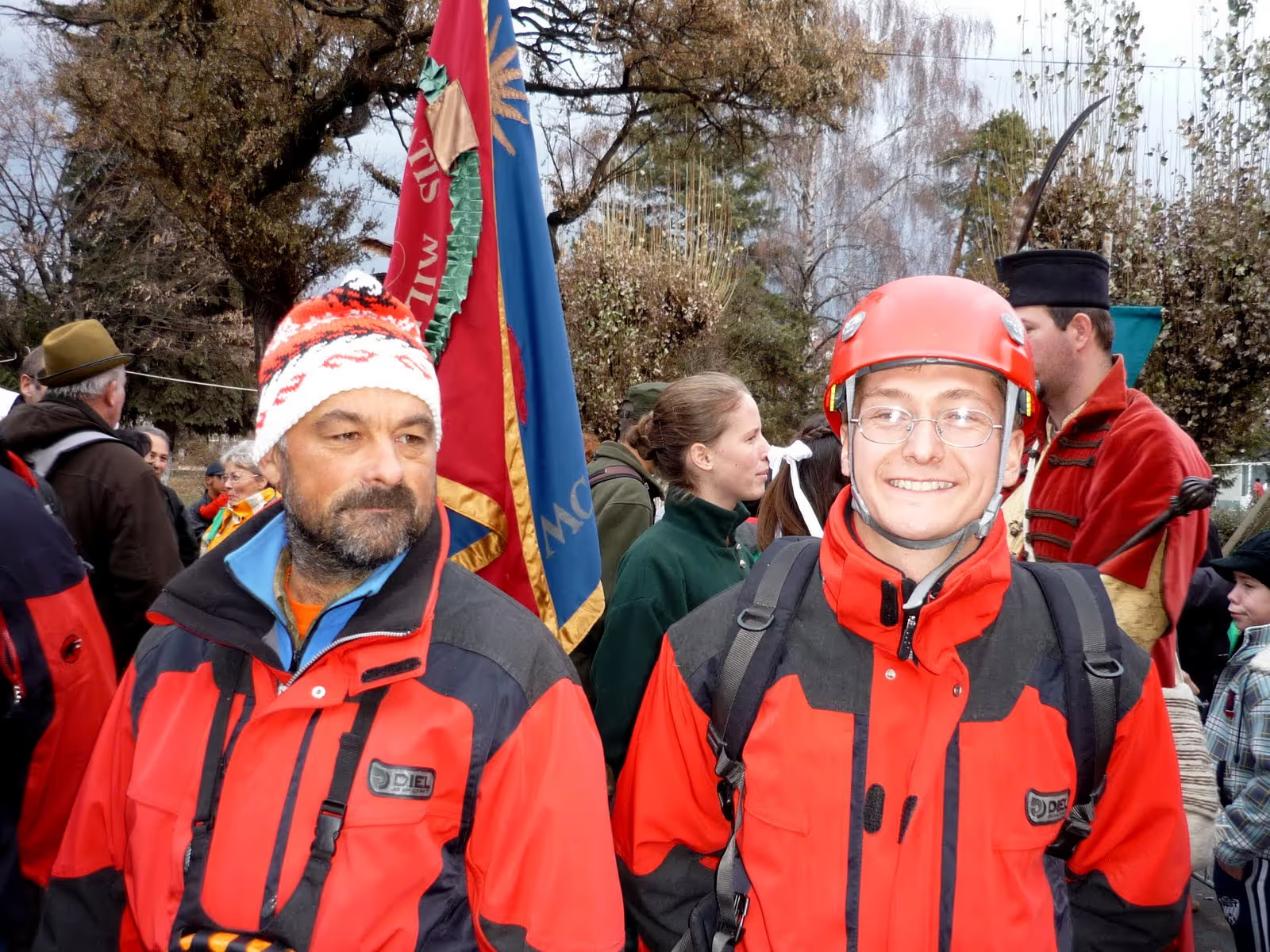
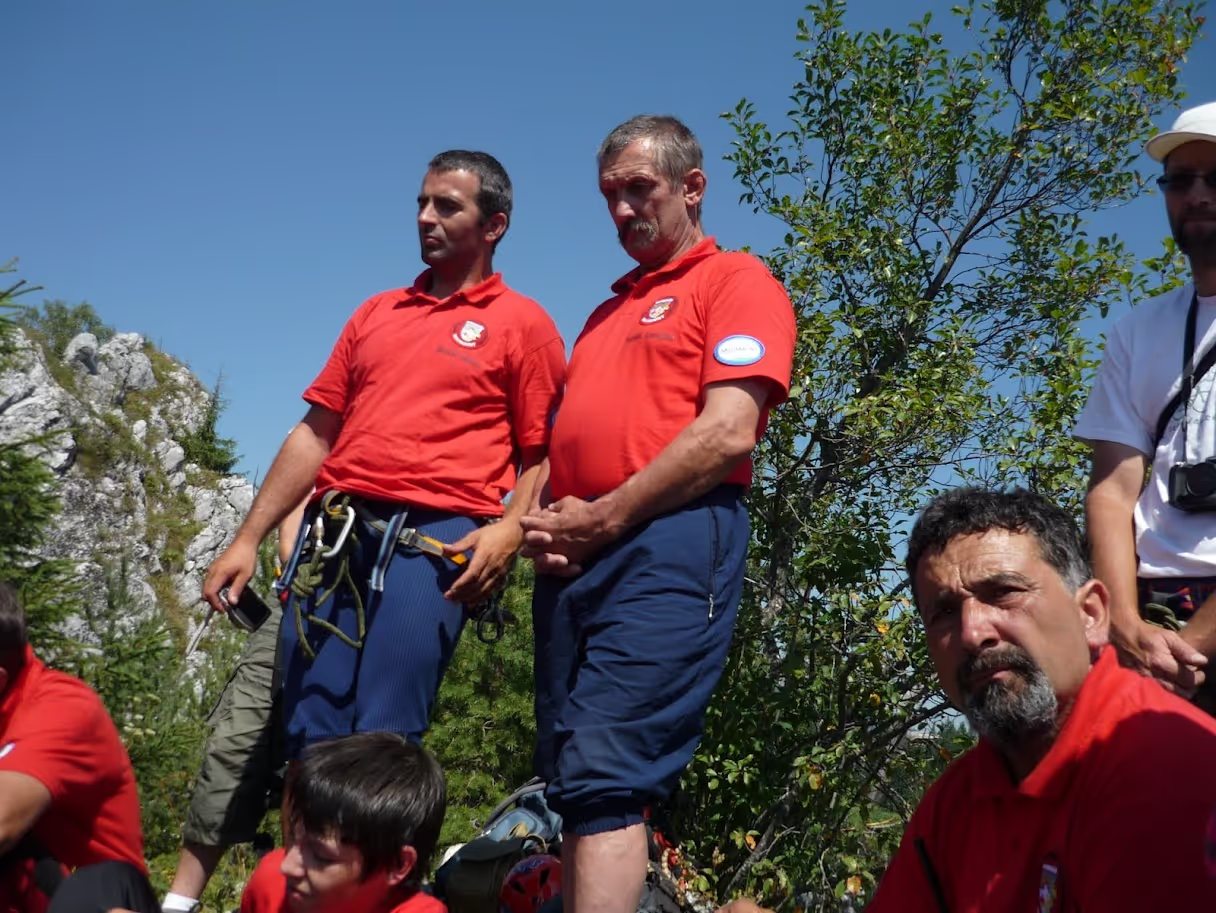
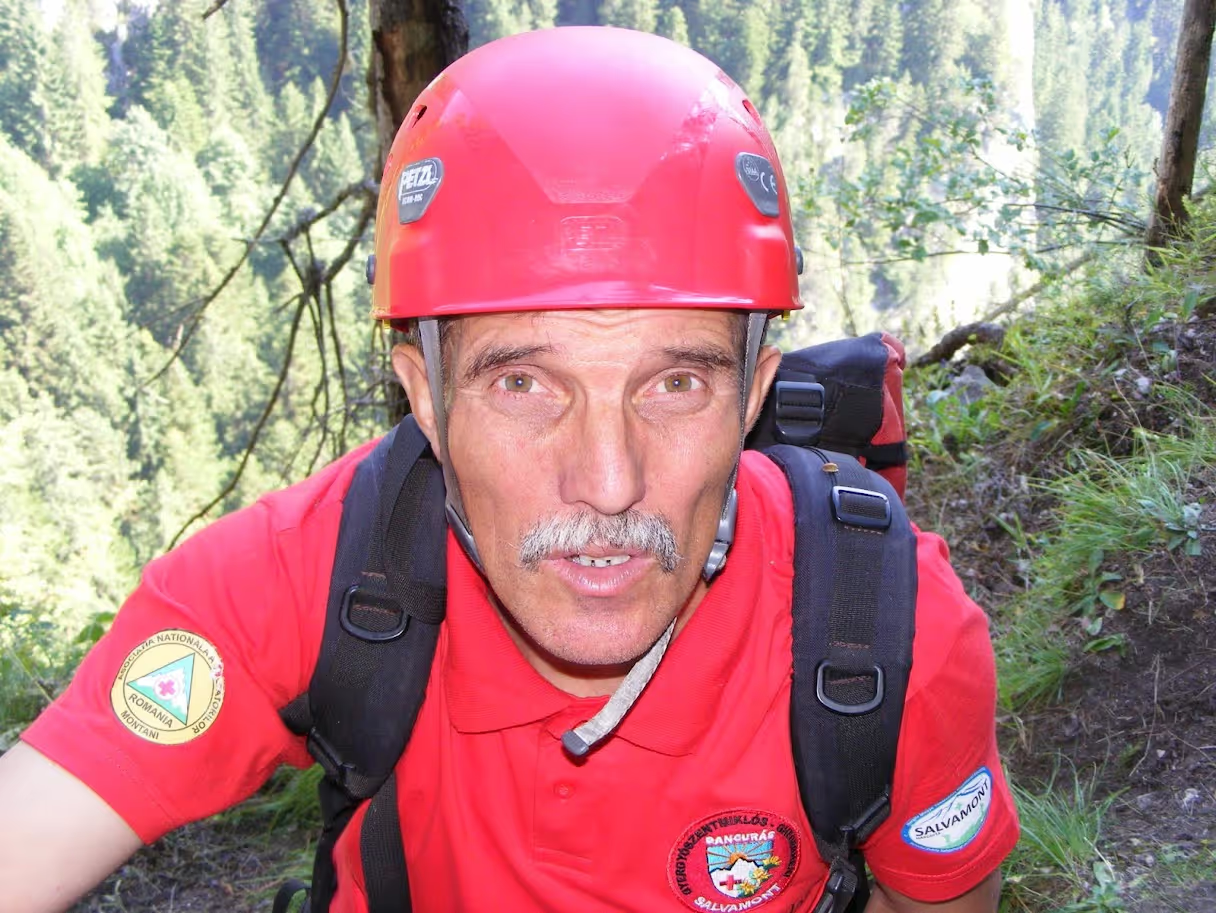
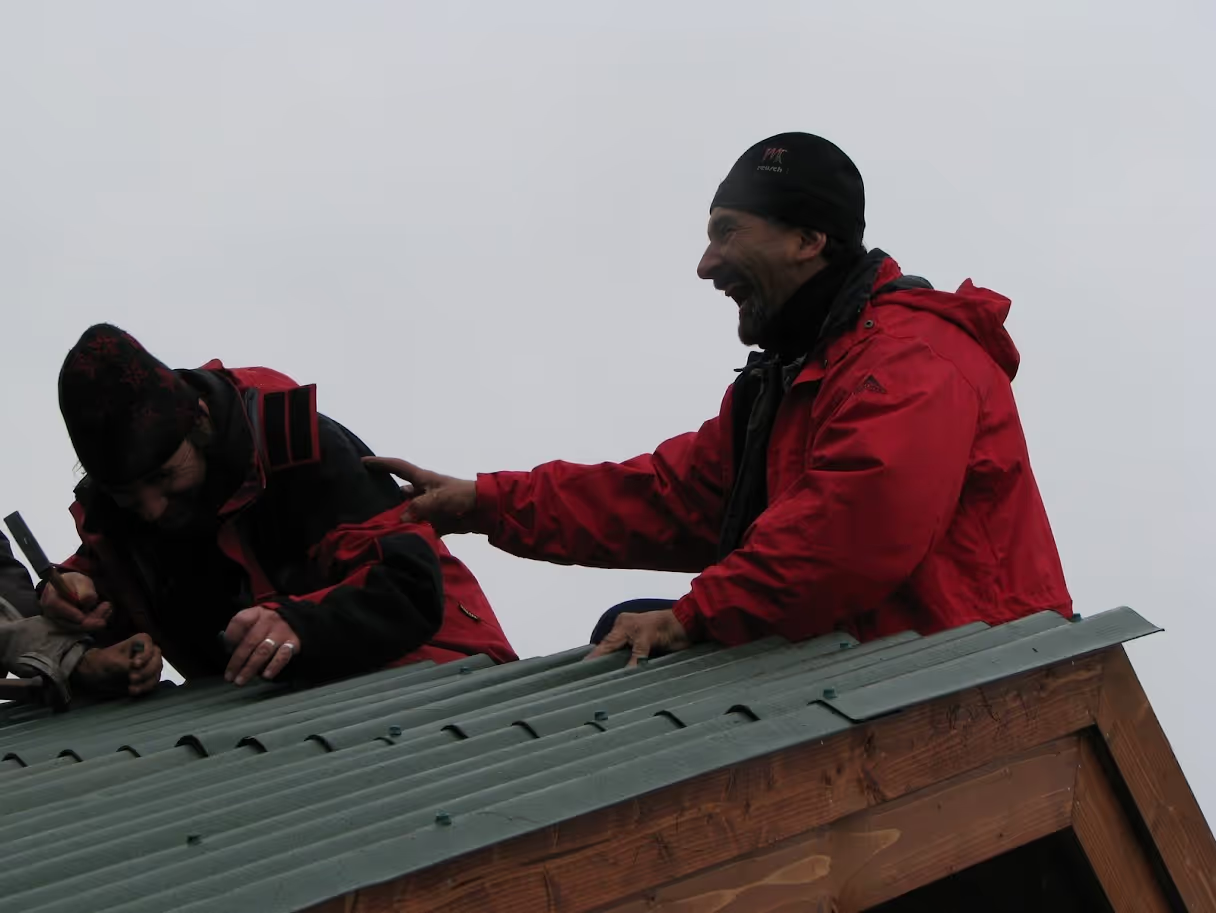
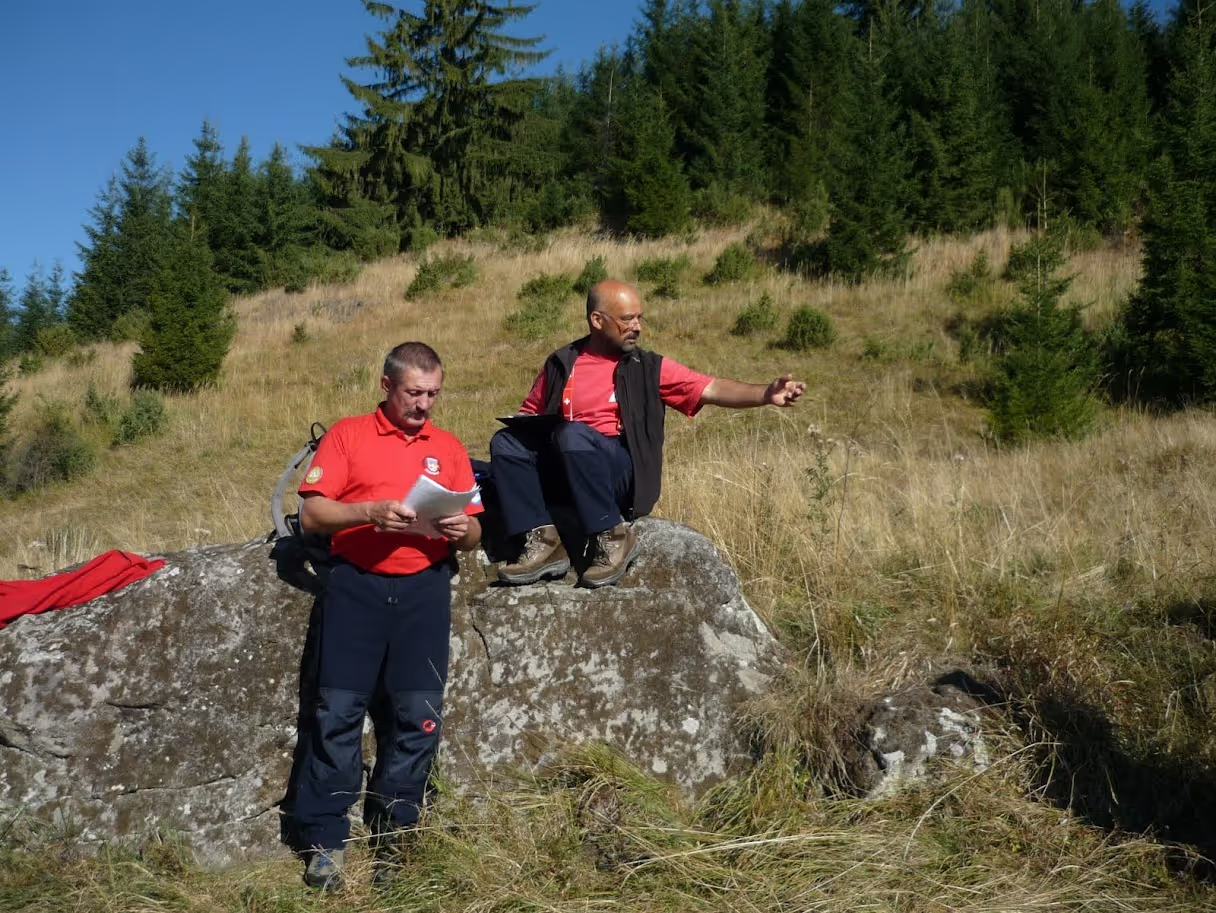
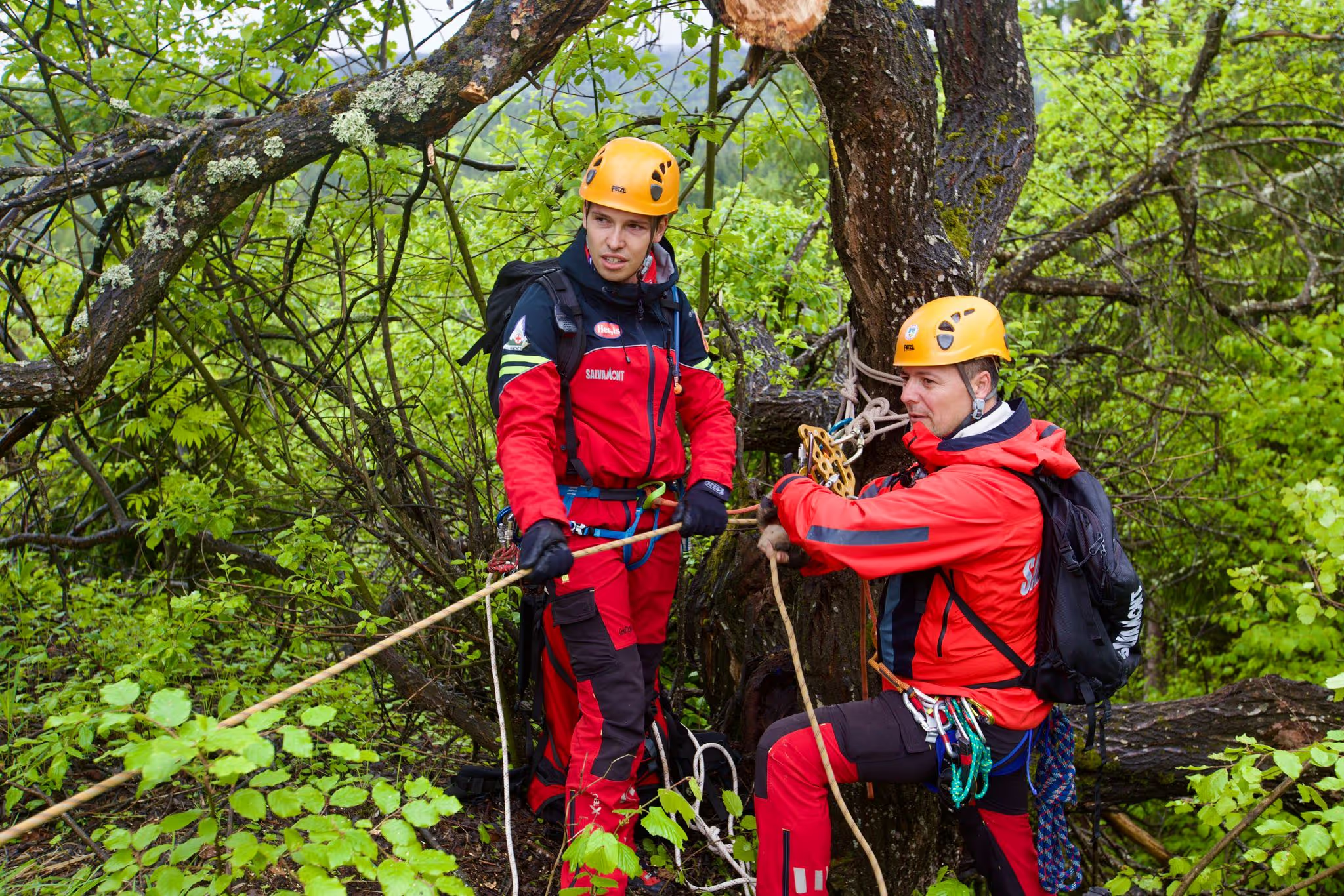
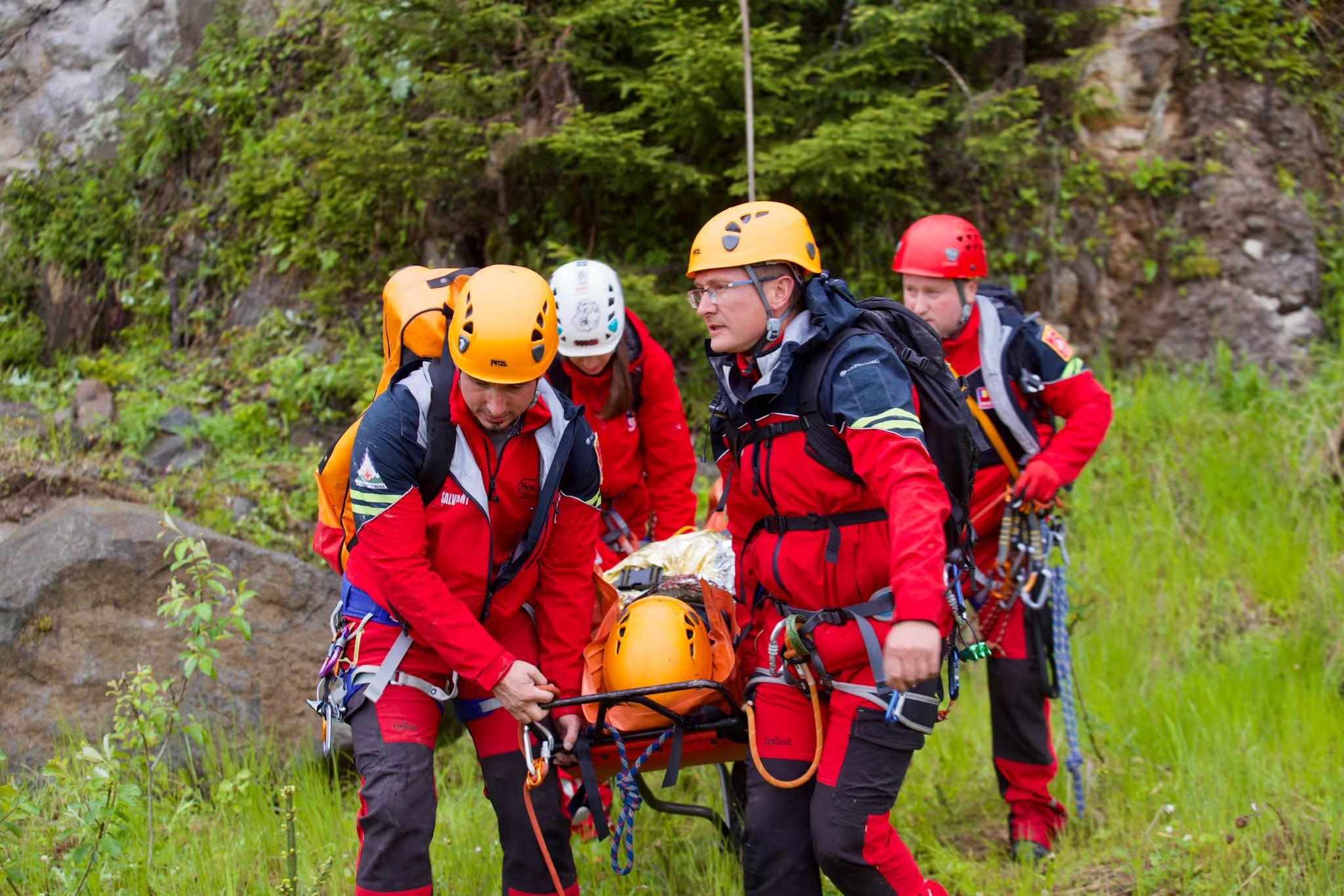
Between 2006 and 2010, the team integrated into the national Salvamont system. Members participated in regular training: rope rescue, mountain rescue techniques, first aid, and helicopter operations. They also took part in international exercises with Hungarian and Austrian mountain rescue teams. During this period, the team secured formal cooperation with the municipality of Gheorgheni, ensuring a stable operational framework.
Between 2011 and 2015, major infrastructure improvements were made. A dedicated rescue base was established, including a radio dispatch center, equipment storage, and operational facilities. The team also strengthened its online presence and participated in environmental protection activities and safety training programs.
Between 2016 and 2020, sustainability became a key focus. The team relied on donations and community support. Educational content, including videos and safety awareness materials, was developed to inform the public about mountain hazards and safe practices.
Present
Previously: Company 1, Company 2
Lorem ipsum dolor sit amet, consectetur adipiscing elit.
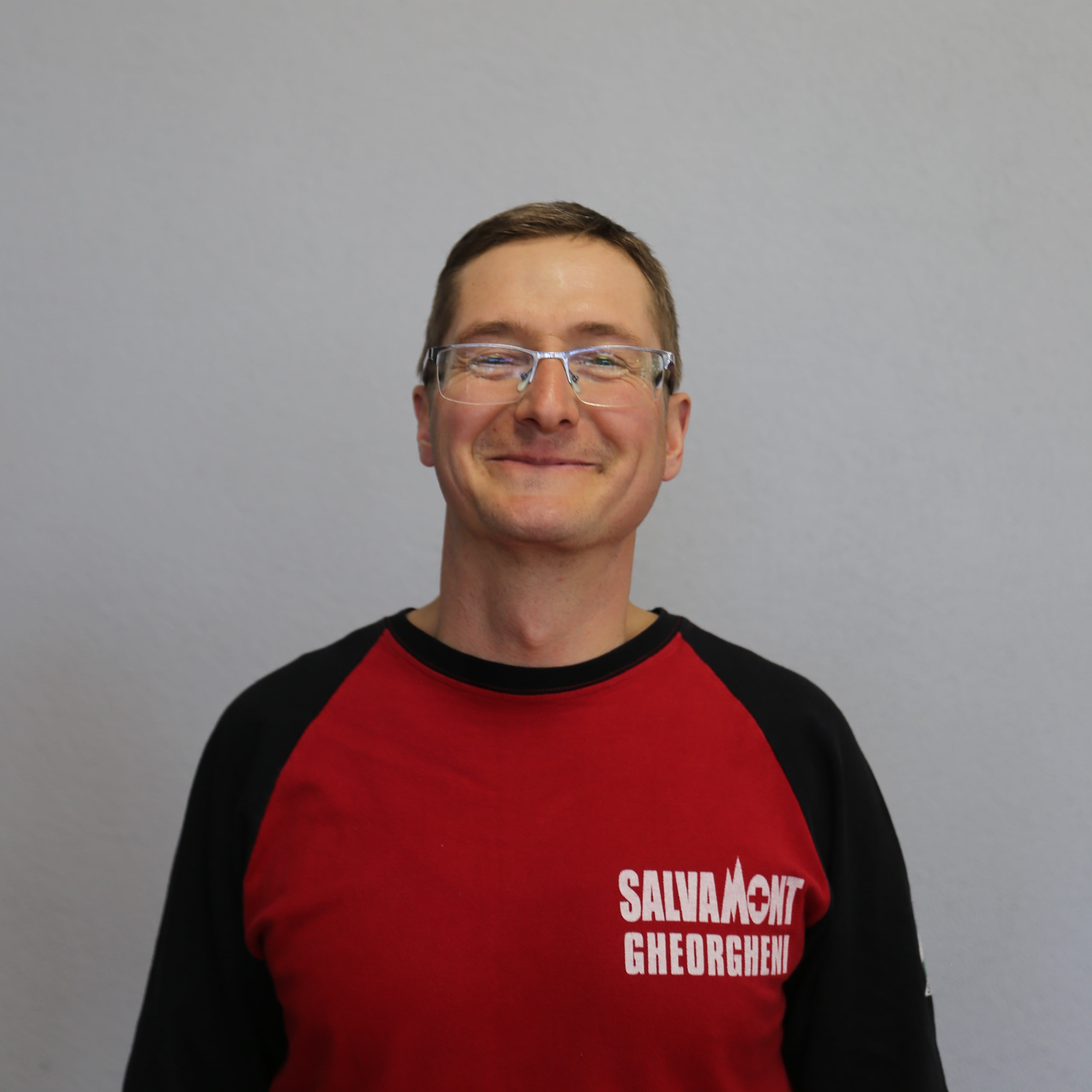
Previously: Company 1, Company 2
Lorem ipsum dolor sit amet, consectetur adipiscing elit.
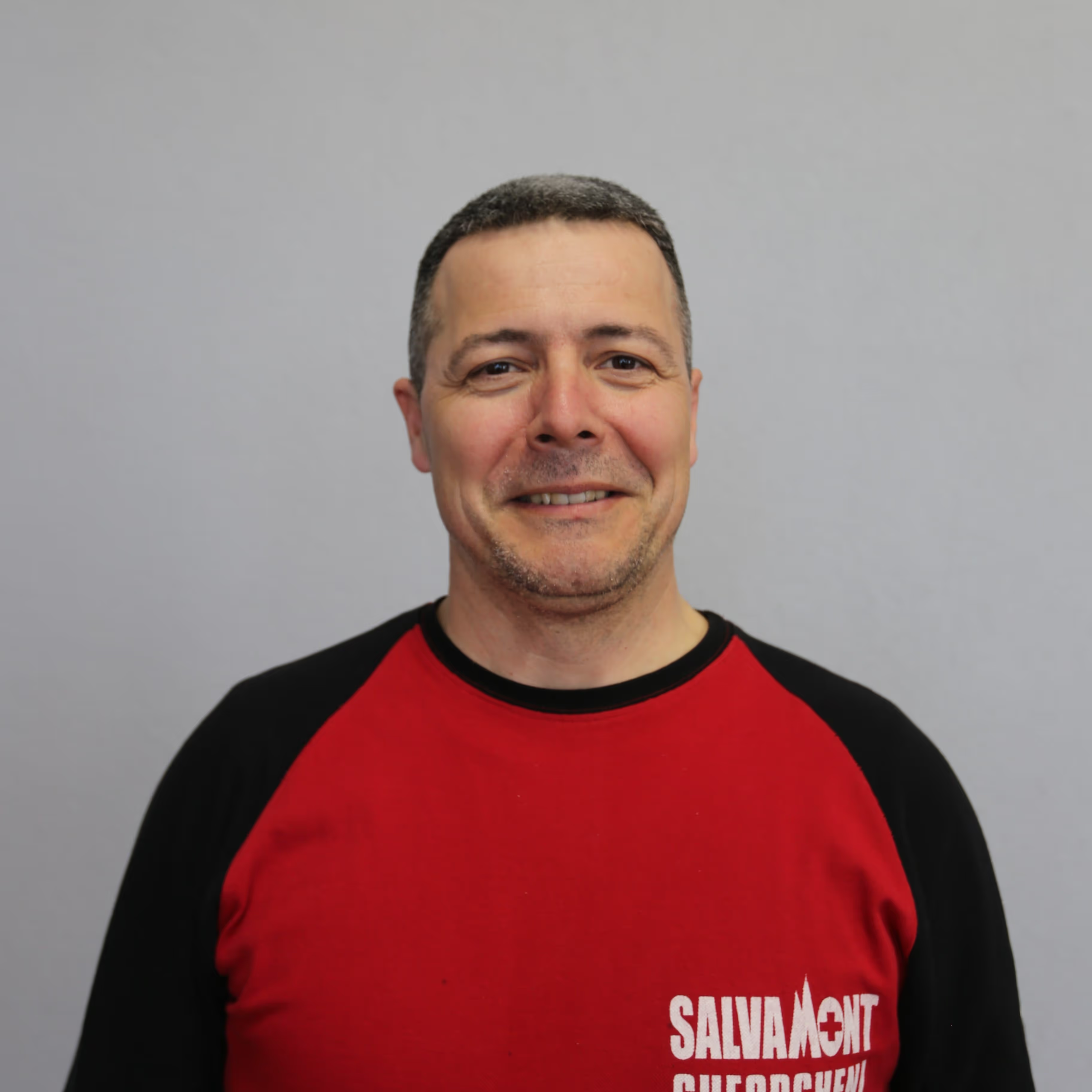
Previously: Company 1, Company 2
Lorem ipsum dolor sit amet, consectetur adipiscing elit.
Previously: Company 1, Company 2
Lorem ipsum dolor sit amet, consectetur adipiscing elit.
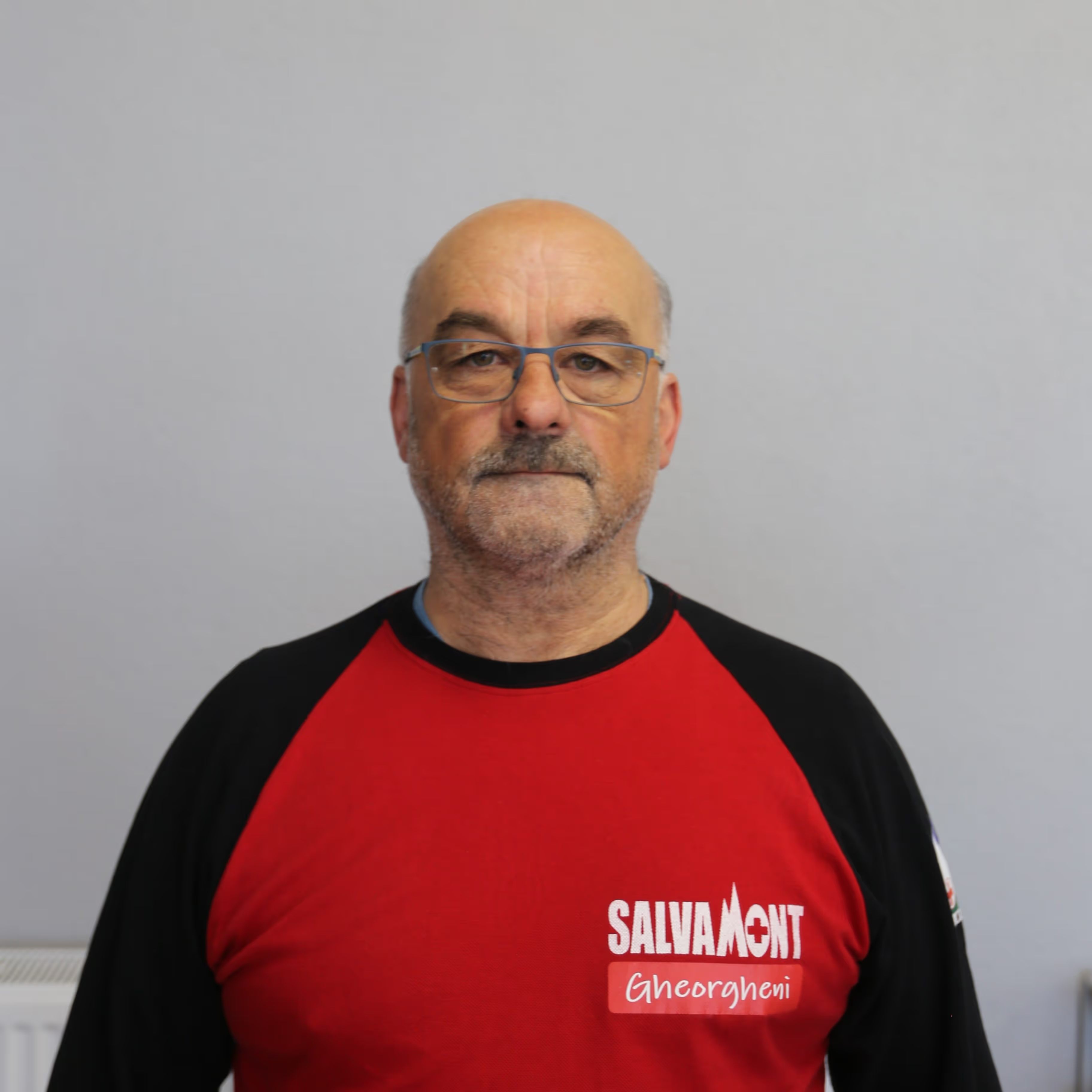
Previously: Company 1, Company 2
Lorem ipsum dolor sit amet, consectetur adipiscing elit.
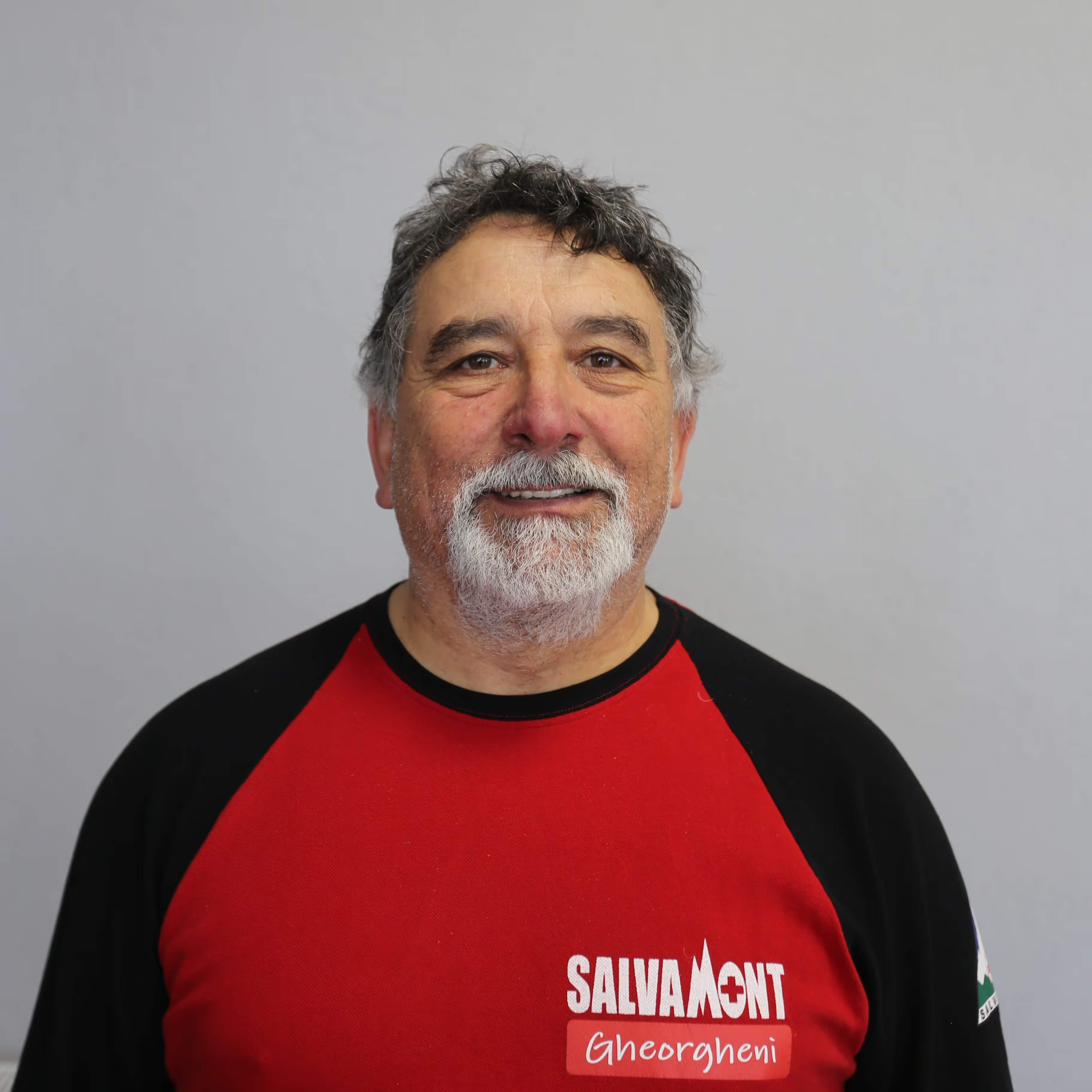
Previously: Company 1, Company 2
Lorem ipsum dolor sit amet, consectetur adipiscing elit.
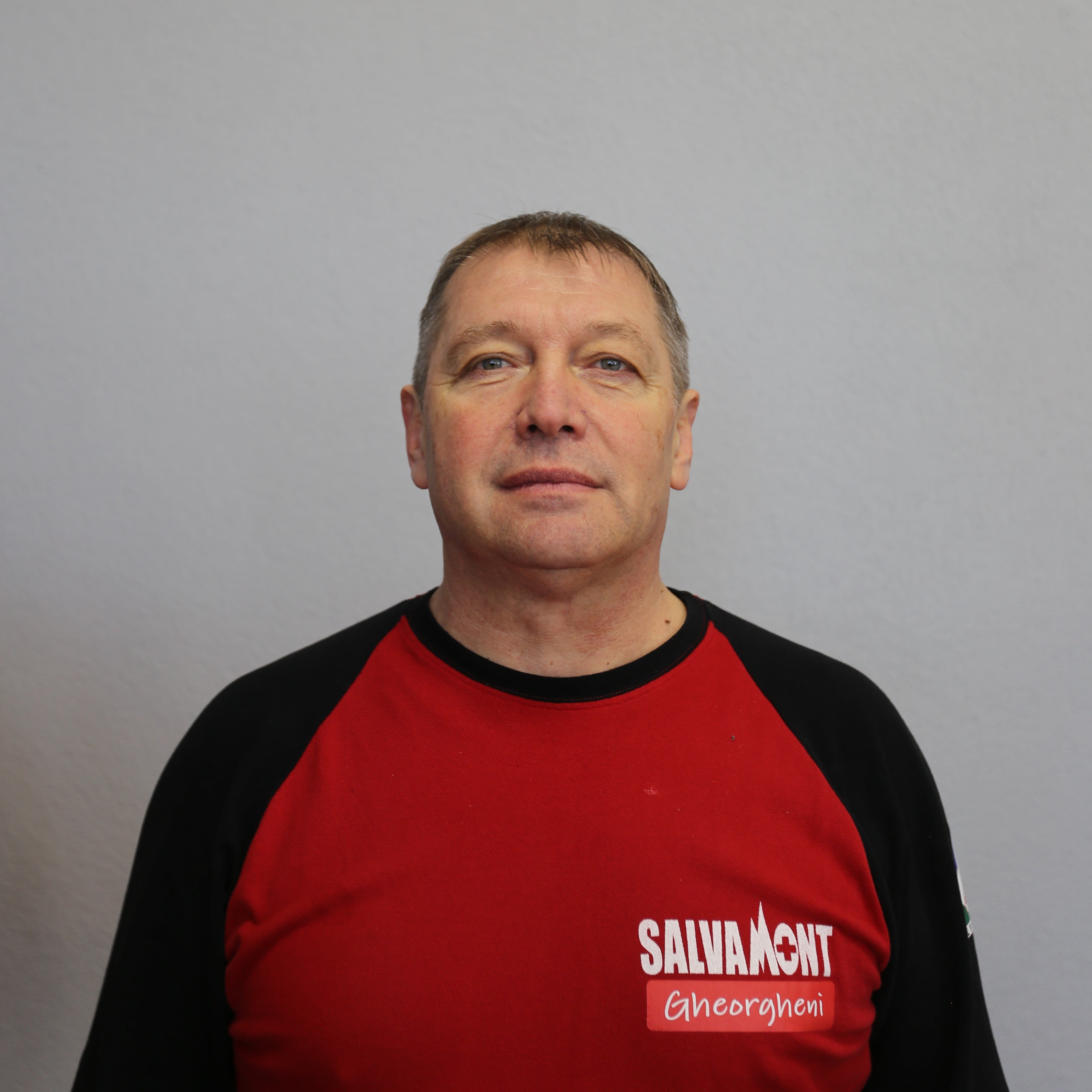
Previously: Company 1, Company 2
Lorem ipsum dolor sit amet, consectetur adipiscing elit.
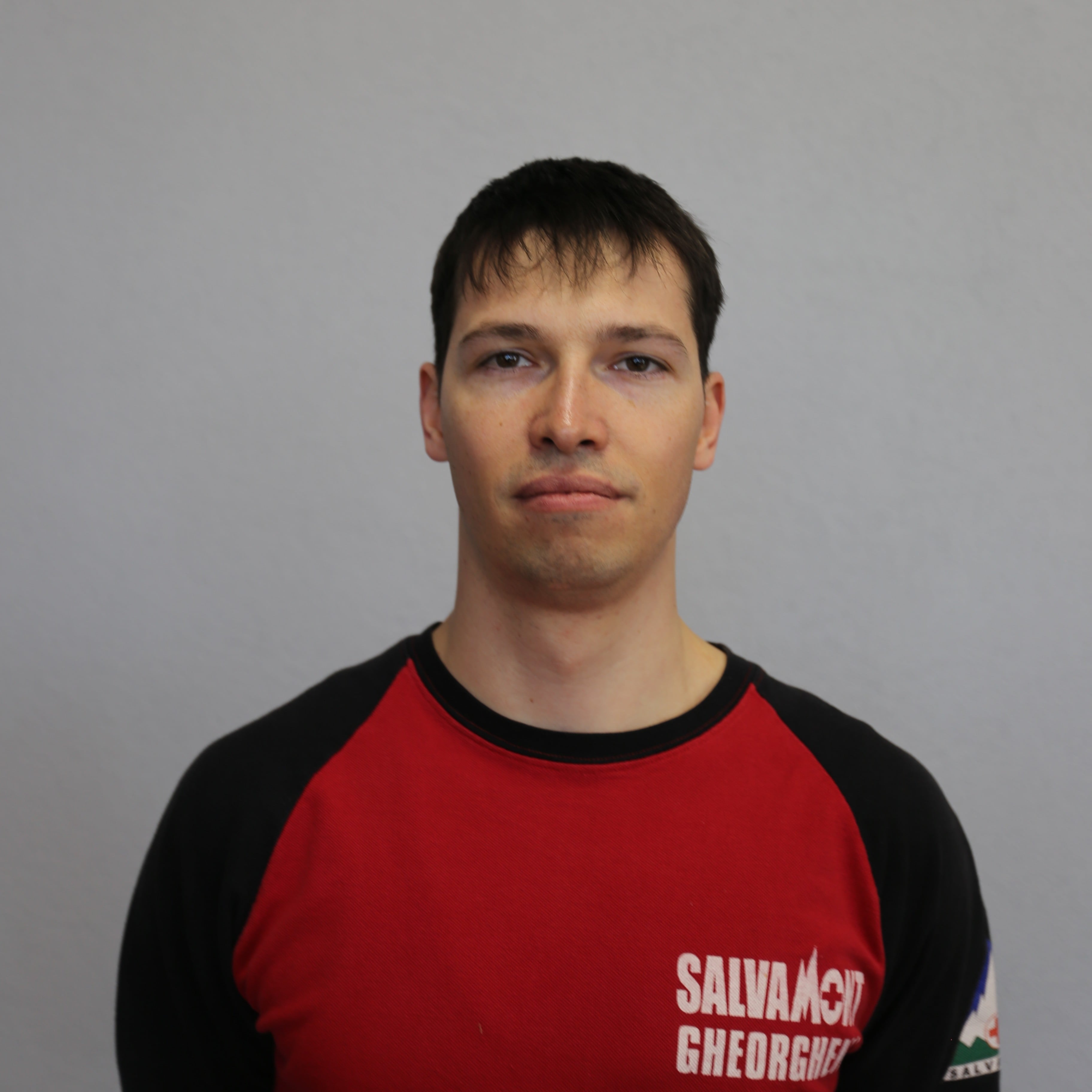
Previously: Company 1, Company 2
Lorem ipsum dolor sit amet, consectetur adipiscing elit.
Previously: Company 1, Company 2
Lorem ipsum dolor sit amet, consectetur adipiscing elit.
Previously: Company 1, Company 2
Lorem ipsum dolor sit amet, consectetur adipiscing elit.
Previously: Company 1, Company 2
Lorem ipsum dolor sit amet, consectetur adipiscing elit.
Previously: Company 1, Company 2
Lorem ipsum dolor sit amet, consectetur adipiscing elit.
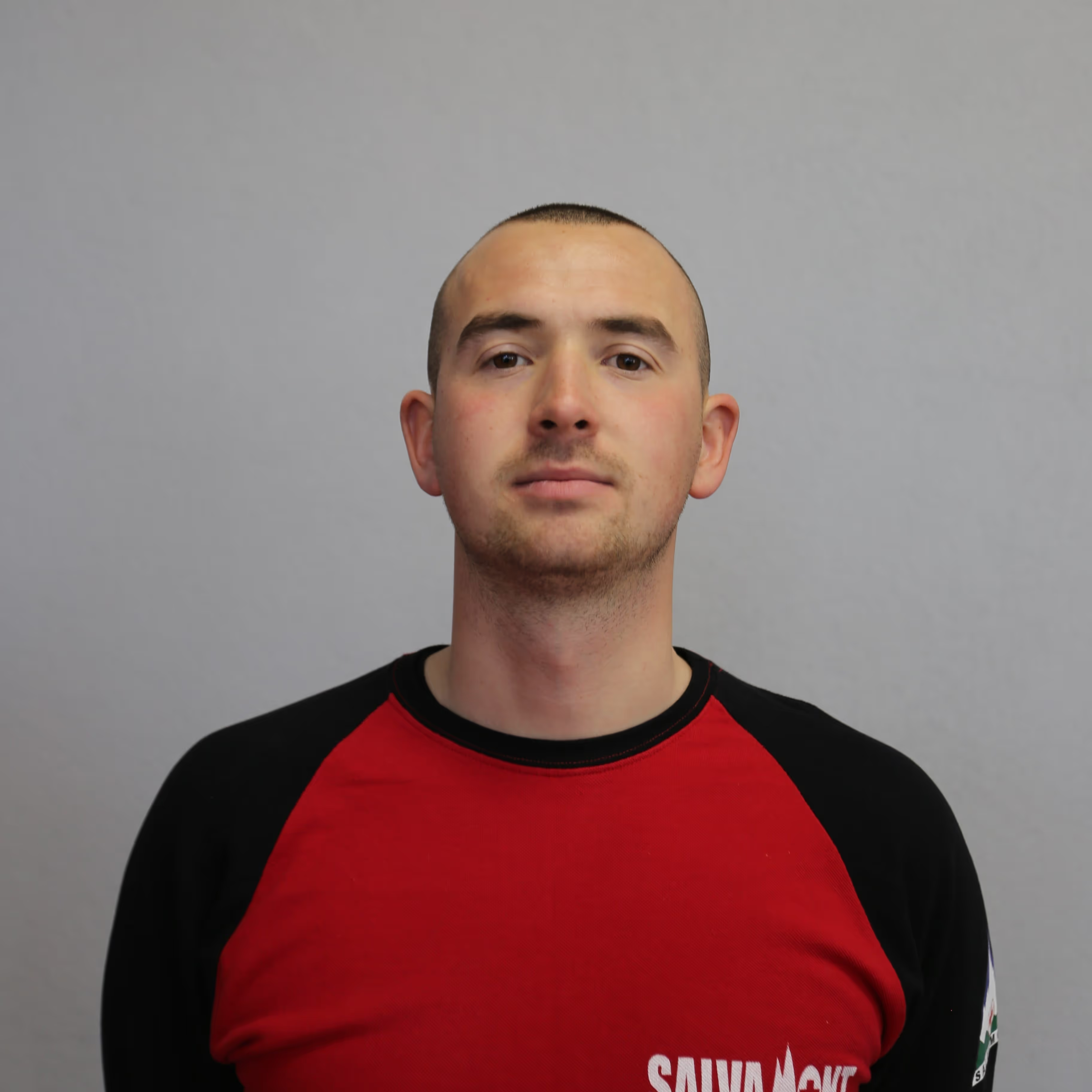
Previously: Company 1, Company 2
Lorem ipsum dolor sit amet, consectetur adipiscing elit.
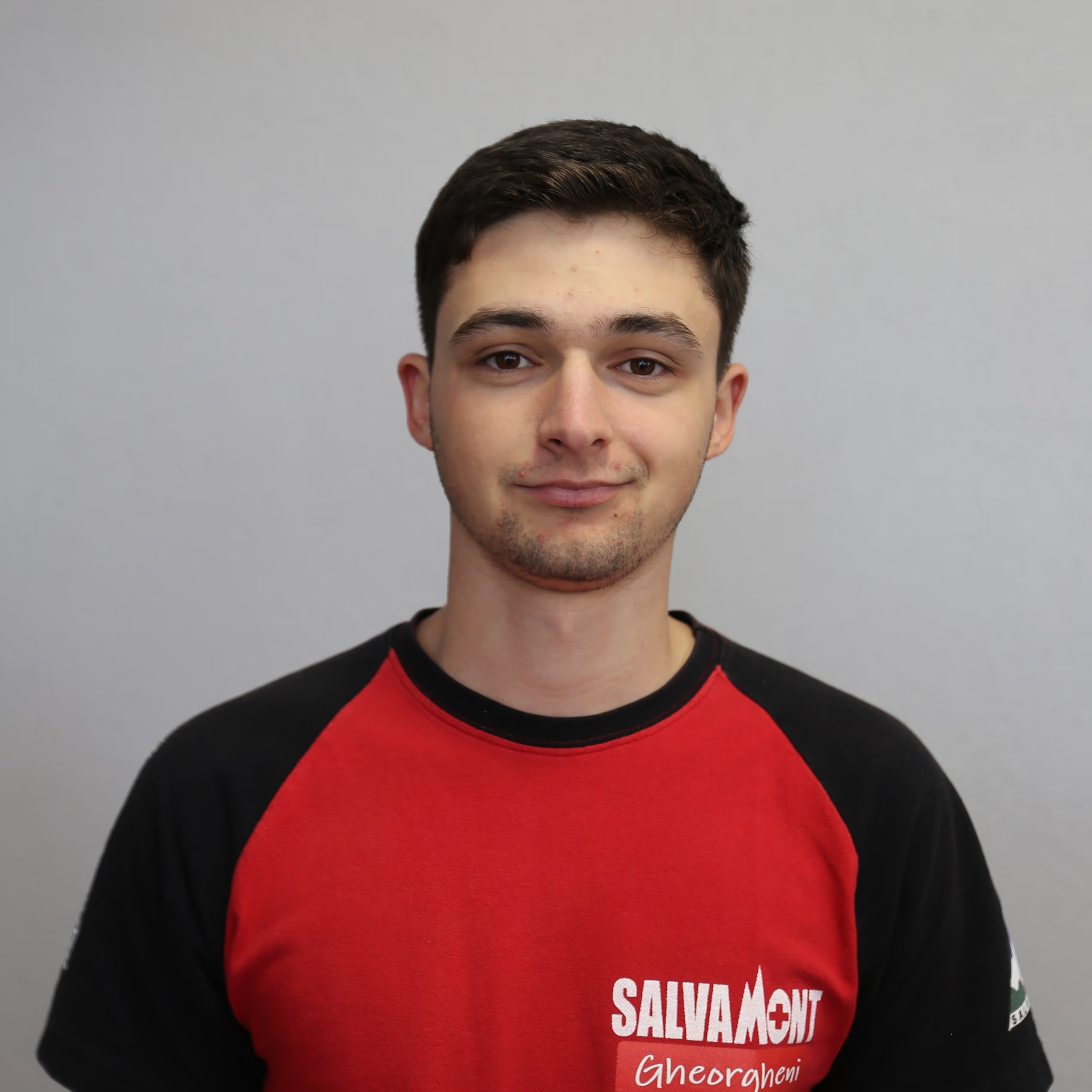
Previously: Company 1, Company 2
Lorem ipsum dolor sit amet, consectetur adipiscing elit.
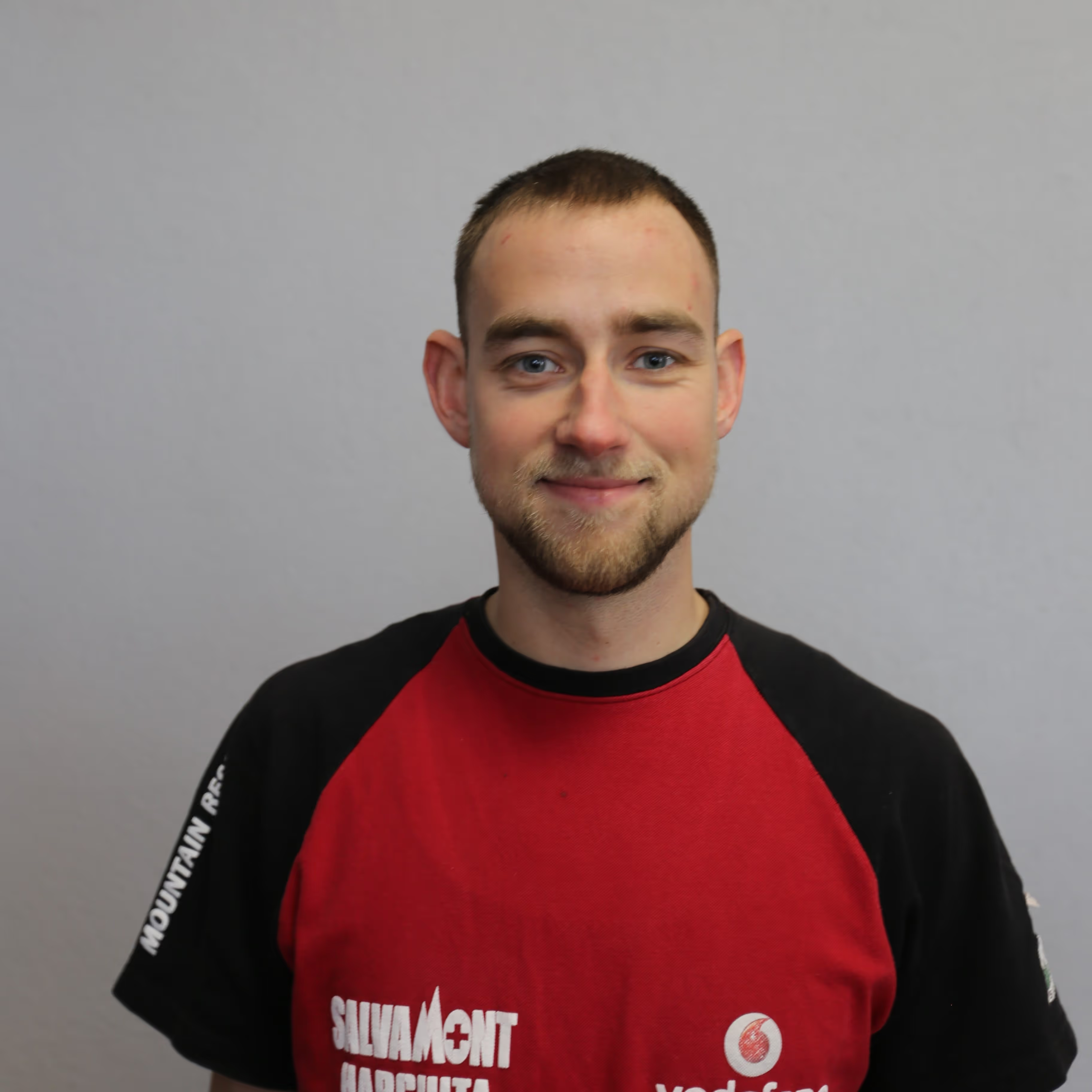
Previously: Company 1, Company 2
Lorem ipsum dolor sit amet, consectetur adipiscing elit.
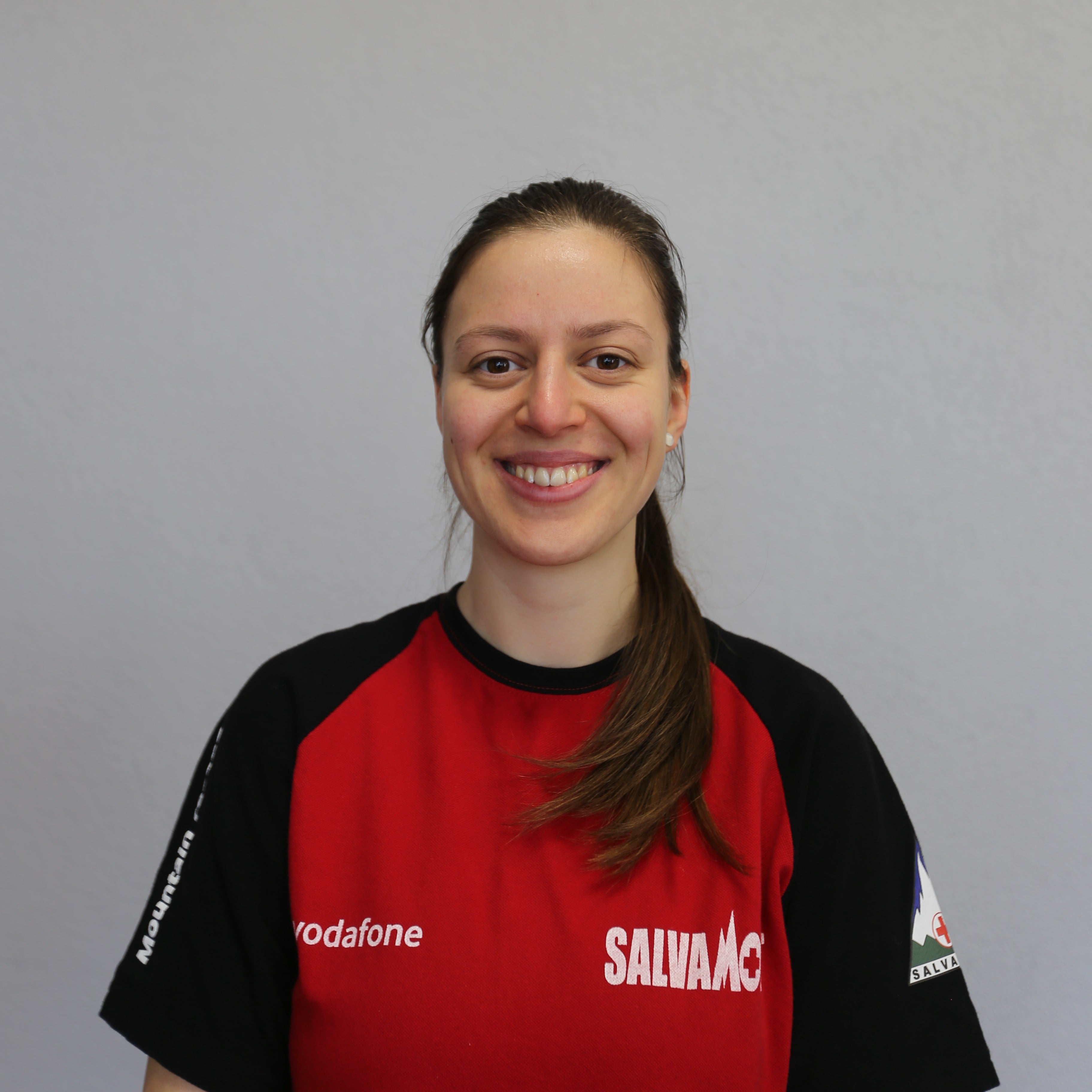
Previously: Company 1, Company 2
Lorem ipsum dolor sit amet, consectetur adipiscing elit.
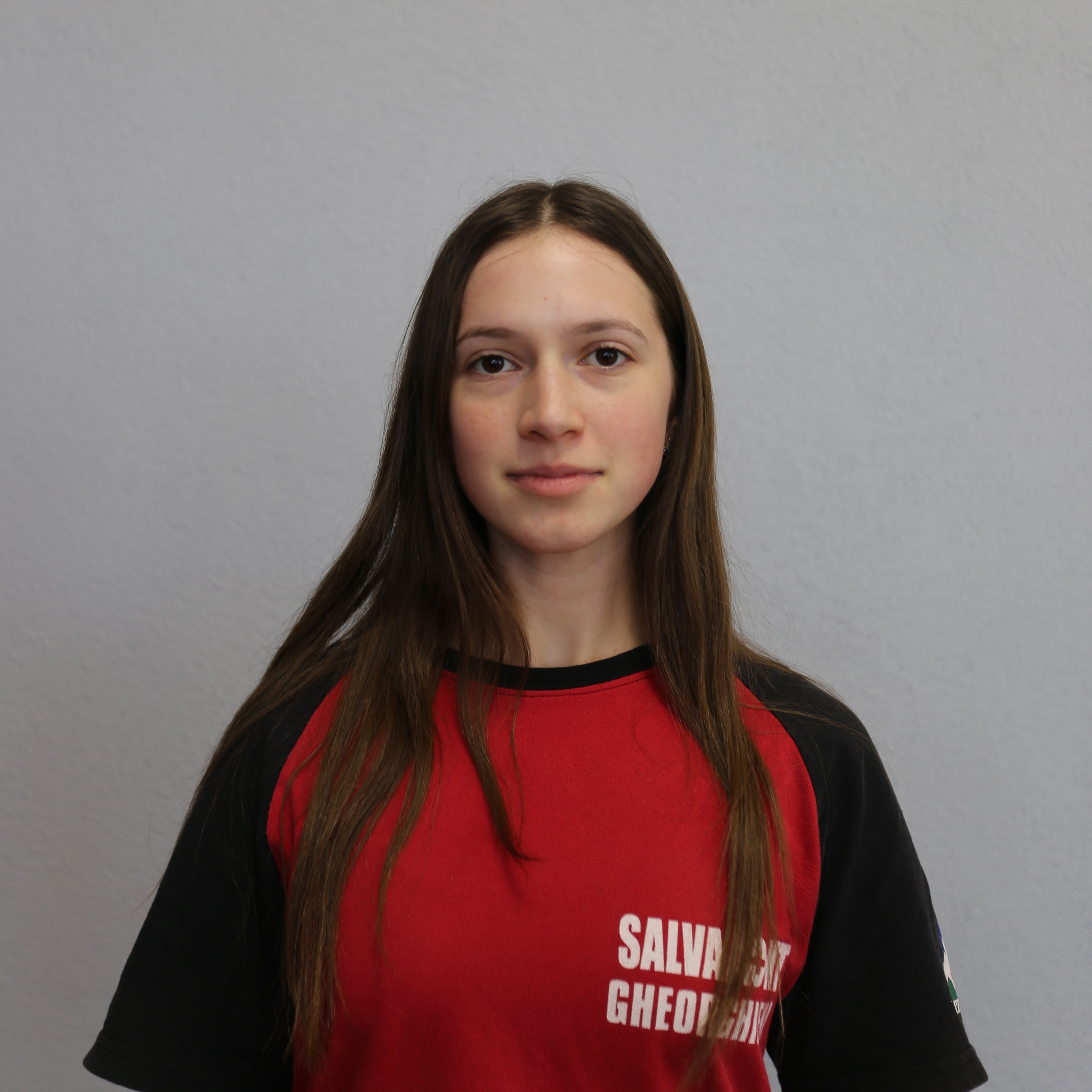
Previously: Company 1, Company 2
Lorem ipsum dolor sit amet, consectetur adipiscing elit.
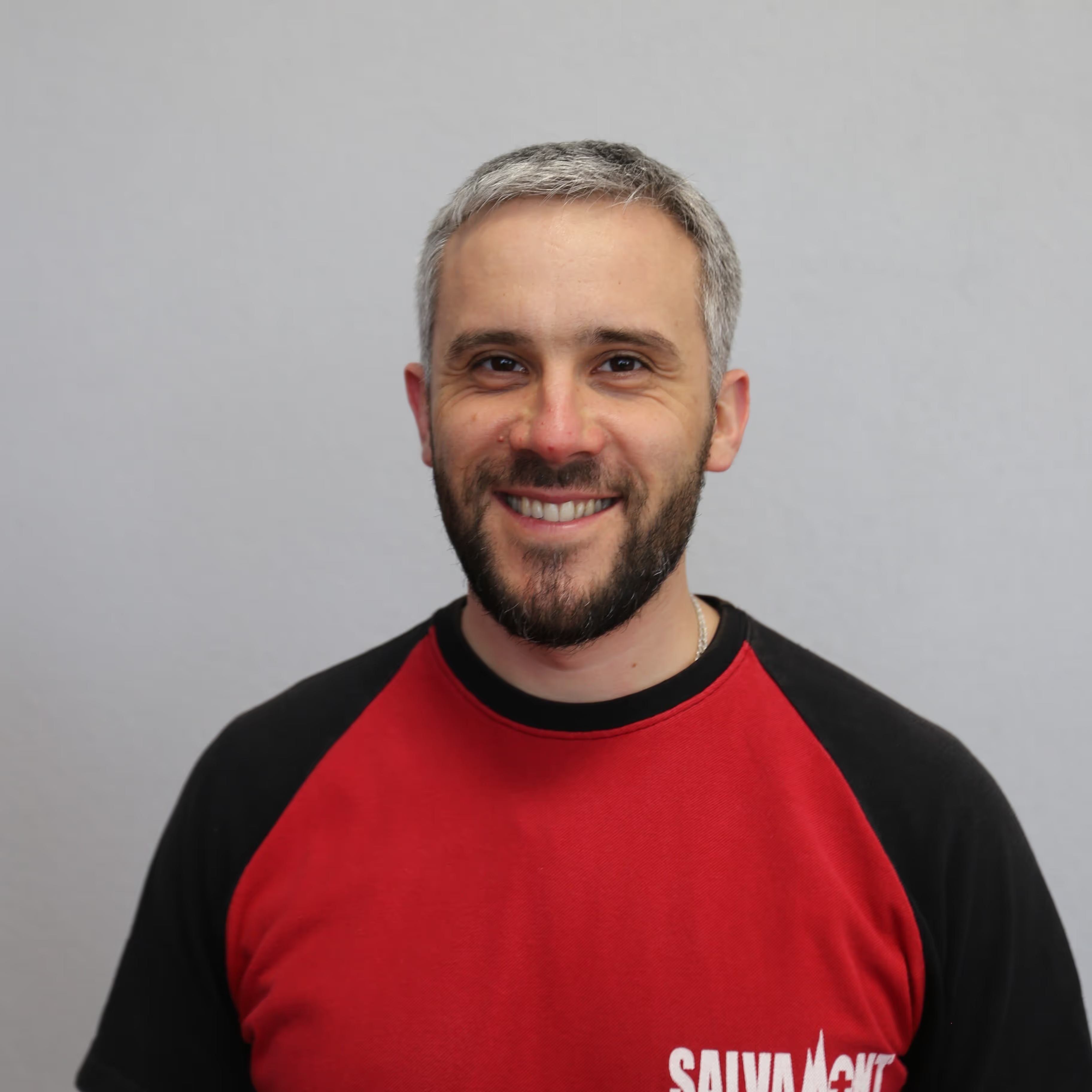
Previously: Company 1, Company 2
Lorem ipsum dolor sit amet, consectetur adipiscing elit.
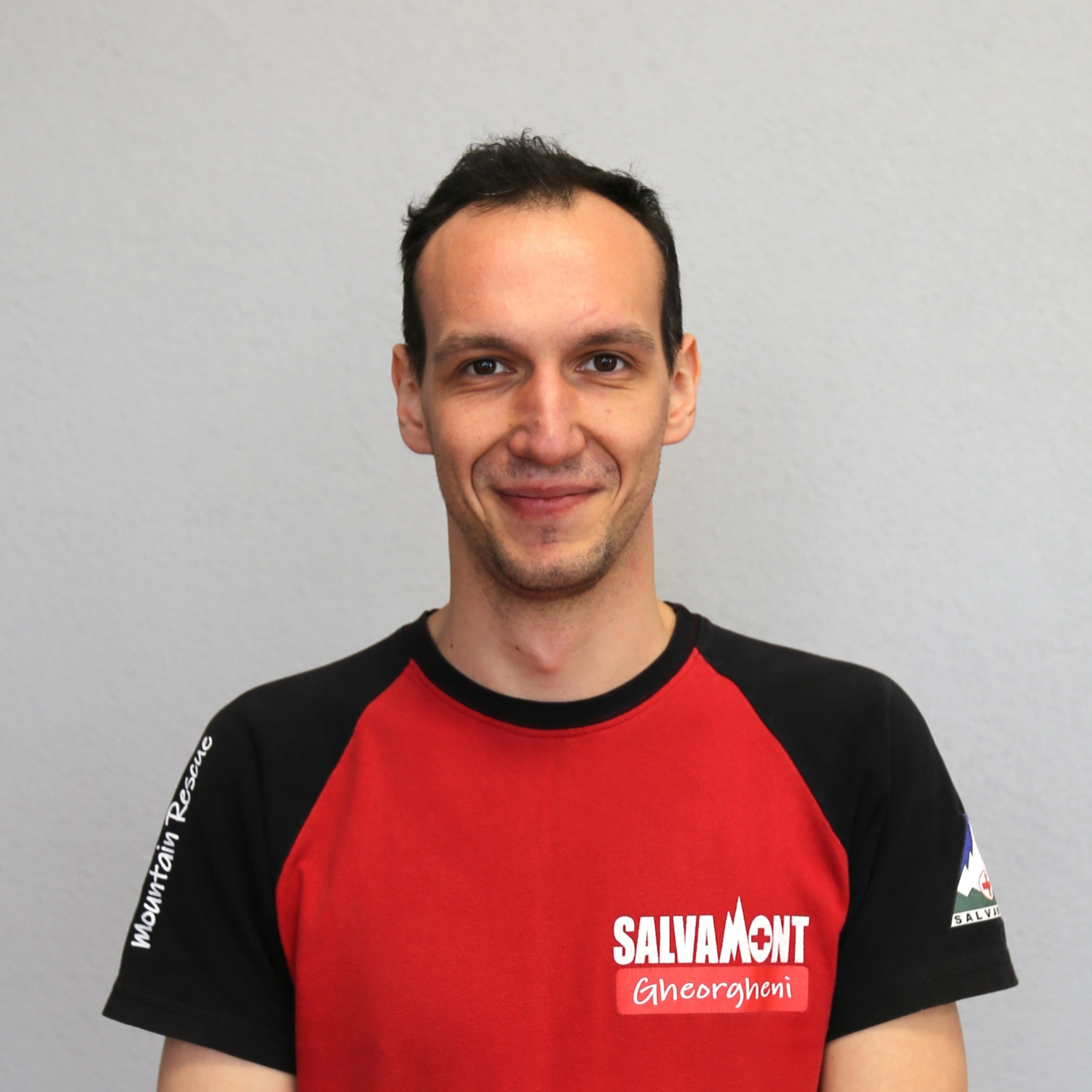
Previously: Company 1, Company 2
Lorem ipsum dolor sit amet, consectetur adipiscing elit.
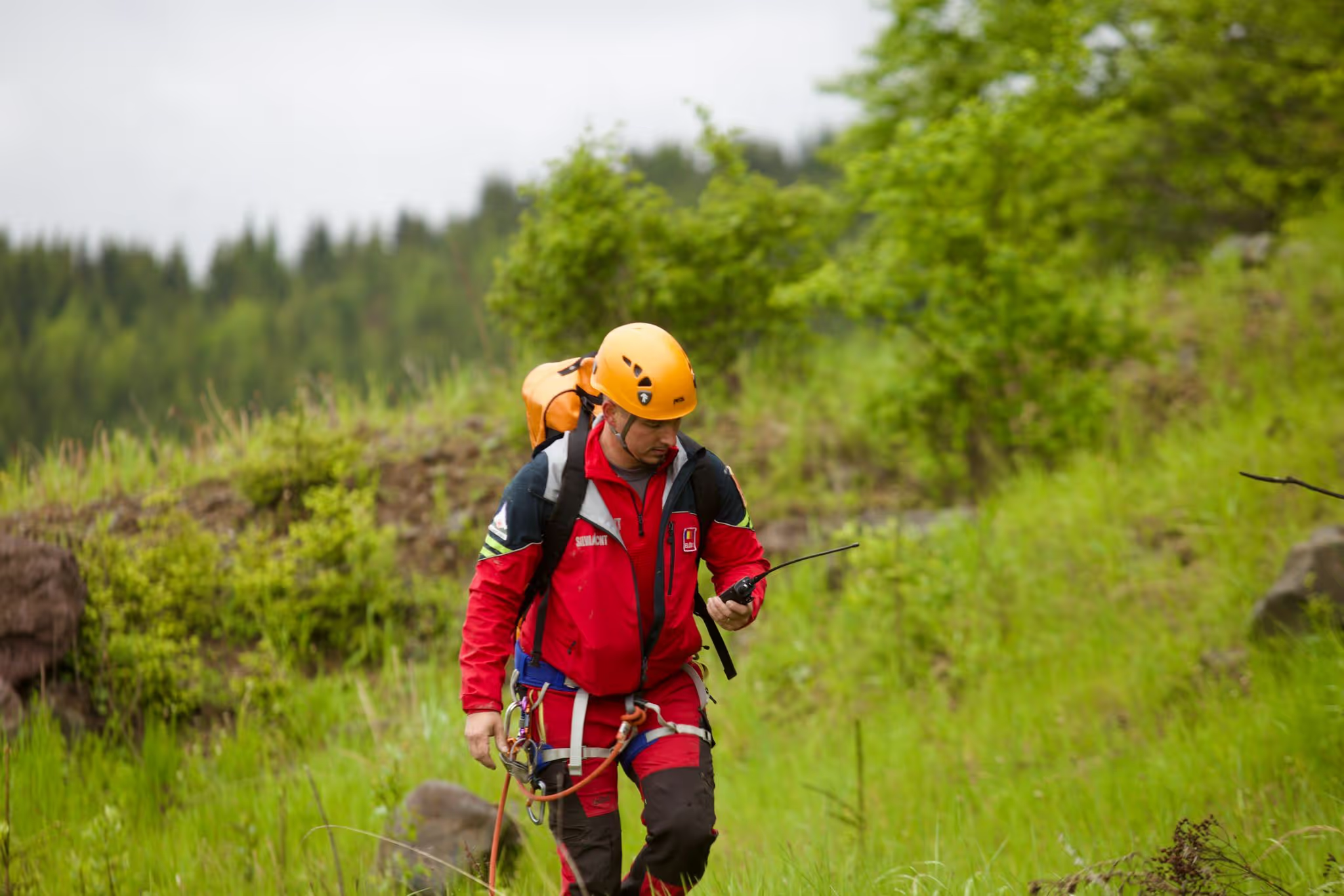
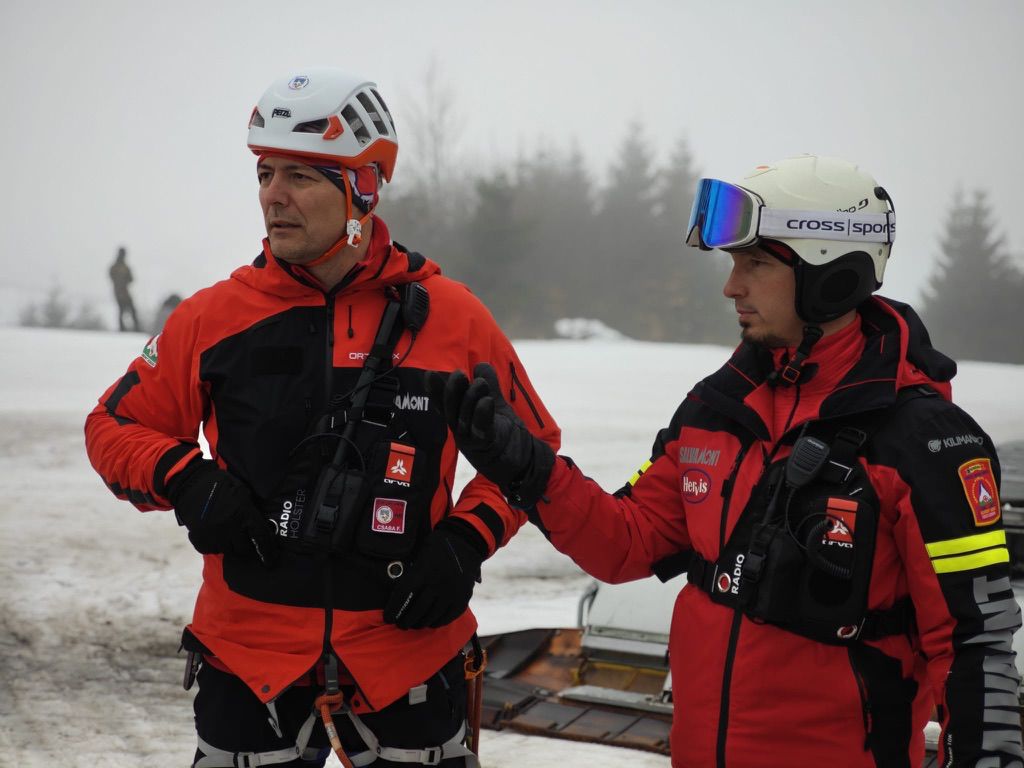
In recent years, significant technical and organizational improvements have been made. Communication systems have been upgraded, new rescue equipment acquired, and drone-based search operations introduced. The team collaborates closely with national Salvamont structures, police, fire services, and emergency authorities.
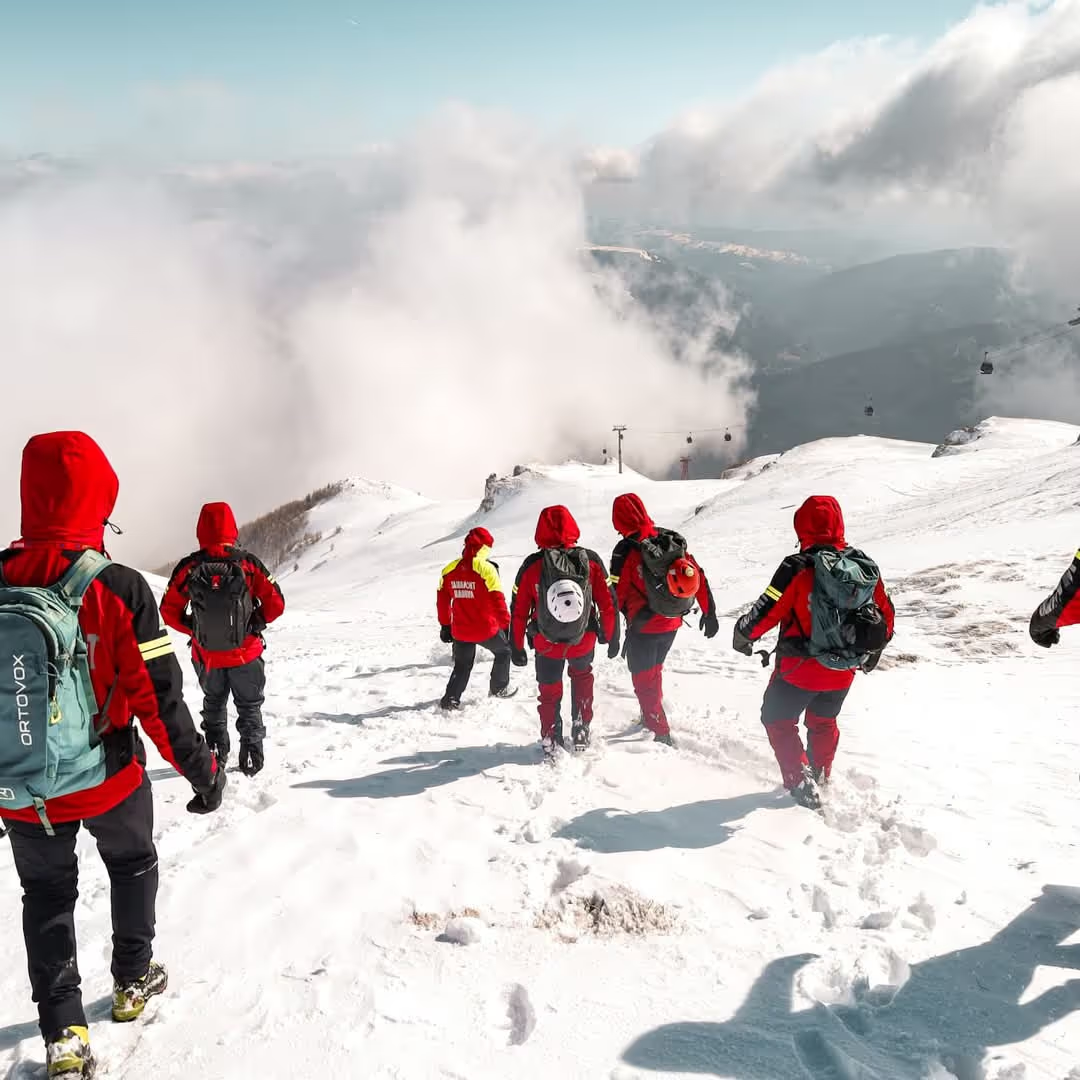
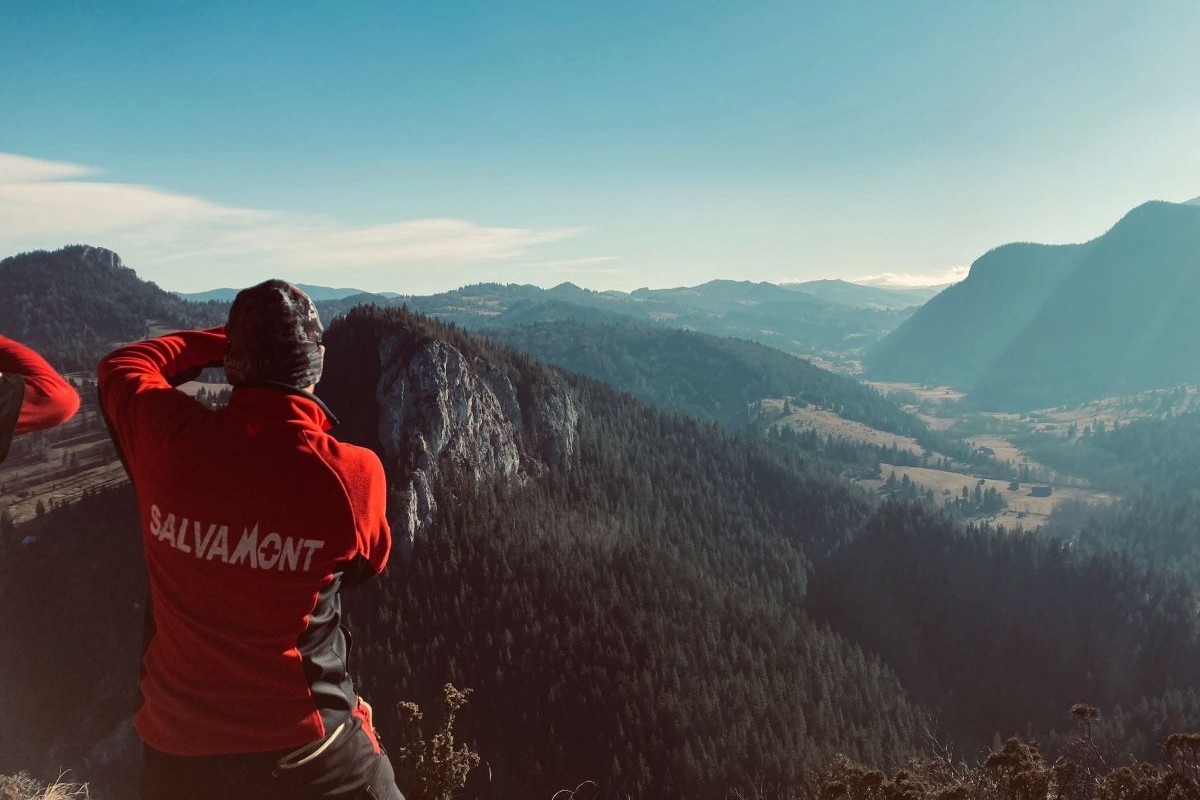
The number of incidents is increasing as the Gurghiu Mountains become more popular. The team responds to 30–50 missions annually, including complex, multi-day rescue operations.
Prevention remains a priority. The team conducts safety training, first aid education, and public awareness campaigns. They actively share information on weather conditions and mountain safety.
Financial resources are limited, so operations rely heavily on donations and community support. Every contribution directly supports rescue missions, equipment, and training.
The Dancurás Mountain Rescue Team represents dedication, community spirit, and respect for nature.
How to become a mountain rescuer?
Candidates must be physically, mentally, and emotionally prepared. Members are volunteers who must be ready to respond at any time, in any conditions.
The first step is commitment: the willingness to help others and invest time and effort in learning and development.
Applicants are first accepted as volunteer trainees, participating in training sessions, exercises, and learning essential skills such as rope techniques, first aid, navigation, and communication.
To become a certified mountain rescuer, at least three years of volunteer experience is required, followed by internal evaluation.
Successful candidates then enter the national training system, consisting of four stages: winter and summer beginner courses, followed by advanced levels. After passing national exams, candidates become certified mountain rescuers. Qualifications must be renewed every three years.
Being part of the Dancurás team requires commitment but offers a unique sense of purpose and community.

.svg)
Follow us on Facebook and Instagram
.jpg)
.svg)
.jpg)
.svg)

.jpg)
.jpeg)
.svg)
.svg)


